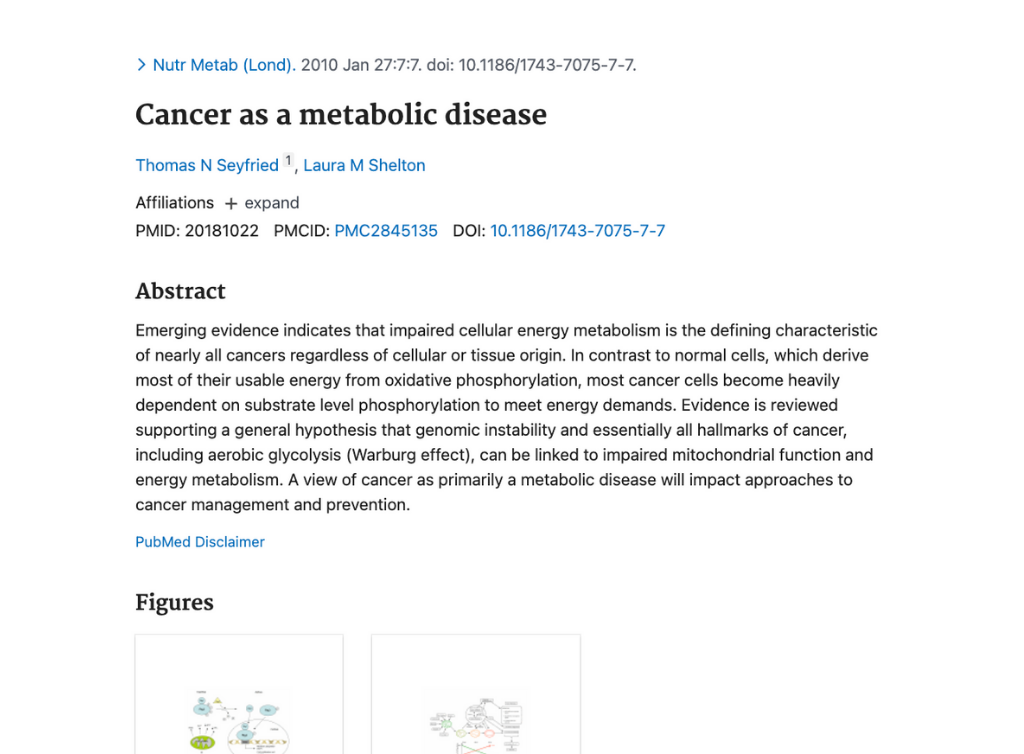
Article Review – Cancer as a Metabolic Disease

Article Review – Cancer as a Metabolic Disease

by Thomas N. Seyfried, Laura M. Shelton

This article is part of Opti Metabolics’ ongoing effort to translate complex metabolic research into clear, practical insights for readers without formal scientific or medical training.

Summary -

The article by Seyfried and Shelton proposes that cancer is primarily a metabolic disease characterized by impaired cellular energy metabolism, particularly mitochondrial dysfunction, rather than a genetic disorder. This perspective suggests that targeting tumor cell metabolism through dietary interventions, such as calorie-restricted ketogenic diets, can starve cancer cells of glucose and glutamine, potentially reducing tumor growth and improving metabolic health. The findings advocate for a shift in cancer management toward non-toxic metabolic therapies to prevent and treat the disease effectively.

Key Takeaways Explained for a Non-Medical Audience

– Cancer is driven by impaired mitochondrial function, leading to reliance on substrate-level phosphorylation for energy, unlike normal cells that use oxidative phosphorylation.

– The Warburg effect, where cancer cells favor aerobic glycolysis, is a hallmark of metabolic dysfunction observed across various cancer types.

– Genomic instability and other cancer hallmarks are secondary consequences of disrupted energy metabolism in mitochondria.

– Calorie-restricted ketogenic diets reduce circulating glucose levels, limiting the primary fuel source for cancer cells while elevating ketone bodies that normal cells can utilize.

– Omega-3 fatty acids can support metabolic therapies by reducing tumor cachexia and maintaining low glucose levels while increasing ketone production.

– Dietary energy restriction combined with drugs targeting glycolysis (e.g., 2-deoxyglucose) shows synergistic effects in preclinical studies for managing tumors.

– Glutamine, another key fuel for cancer cells, can be targeted with compounds like DON, though toxicity remains a concern at high doses.

– Chronic inflammation from lifestyle factors, such as obesity and high-carbohydrate diets, damages mitochondria and promotes cancer development.

– Metabolic therapies aim to create an unfavorable environment for tumor growth by altering the body’s metabolic state, protecting normal cells.

– The article suggests cancer prevention is achievable by avoiding inflammation-inducing factors, including excessive carbohydrate intake and omega-6-rich seed oils.

– Tumor cachexia, involving muscle loss and weight reduction, can be mitigated by targeting glycolytic tumor cells with restricted diets.

– Preclinical studies demonstrate that ketogenic diets enhance the efficacy of anti-glycolytic drugs, offering a potential “metabolic punch” to kill cancer cells.

– The authors emphasize that most cancers, regardless of origin, share a common metabolic defect, making metabolic therapies broadly applicable.

– Non-toxic metabolic approaches, such as fasting or calorie restriction, could reduce the reliance on toxic treatments like chemotherapy.

– Protecting mitochondrial health through lifestyle modifications is a logical strategy for cancer prevention, according to the authors.


Integrated Insights –

This article aligns with the Opti Metabolics framework by emphasizing the role of mitochondrial dysfunction and insulin resistance in chronic diseases like cancer, advocating for low-carbohydrate, ketogenic diets to restore metabolic balance. It underscores the importance of reducing inflammation and glucose availability, which supports the philosophy of using natural, whole-food-based interventions to optimize metabolic health. By targeting cancer’s metabolic vulnerabilities, the approach complements Opti Metabolics’ focus on addressing root causes of chronic conditions through diet and lifestyle.

Alignment with Broader Review Content –

– Reinforces the link between insulin resistance, driven by high-carbohydrate diets, and chronic diseases, including cancer, as a metabolic disorder.

– Supports the use of ketogenic diets to lower glucose and insulin levels, reducing inflammation and improving metabolic markers like adiponectin and triglycerides.

– Highlights the pro-inflammatory role of omega-6 fatty acids, consistent with concerns about seed oils exacerbating metabolic stress and disease progression.

Reviewed and interpreted by the Opti Metabolics editorial team, with a focus on early metabolic risk detection and prevention.

Read the article to learn more: Cancer as a Metabolic Disease

Health & Medical Disclaimer –

Opti Metabolics does not provide medical diagnosis, treatment, or advice. Our program is for educational and informational purposes only and does not represent medical advice or the practice of medicine. These article summaries are intended to help readers understand metabolic health research and emerging scientific findings, but personal health decisions should always be made in consultation with a qualified healthcare provider.

Participants are strongly advised to consult their personal healthcare professional before making any dietary, lifestyle, or medication changes.

x
Opti Metabolics provides informational health insights and does not dispense medical advice, diagnose, treat, or cure any medical conditions. Always consult a qualified healthcare professional before making any health-related decisions.

Contact With Us!

Email: info@optimetabolics.com

Join Opti Metabolics

It’s time to take control of your health.

Eat Like a Human Again

Drop your name and email to receive the eBook that shows how returning to simple, whole foods can restore stable energy, support metabolic health, and help your body function the way it was designed to.
Name

The Fast Track to Frailty

Drop your name and email to receive the guide that helps you understand how GLP-1 weight loss changes your body, and why the scale alone never tells the full story.
Name

Starving for Nothing

Drop your name and email to receive the eBook that shows why “Eat Less, Move More” was never your fault. It was the wrong story, and now you get the right one.
Name