Email: success@optimetabolics.com
This article is part of Opti Metabolics’ ongoing effort to translate complex metabolic research into clear, practical insights for readers without formal scientific or medical training.
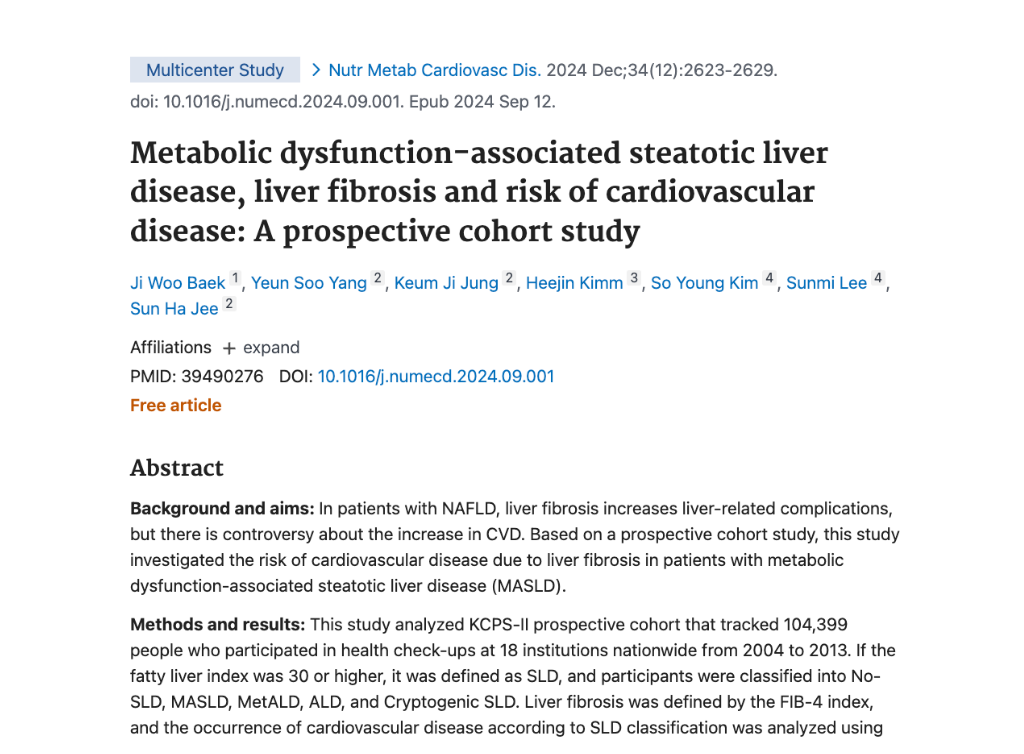
This prospective cohort study reveals a significant association between metabolic dysfunction-associated steatotic liver disease (MASLD), liver fibrosis, and increased cardiovascular disease (CVD) risk. The findings highlight how insulin resistance and metabolic dysregulation drive liver pathology, which in turn exacerbates systemic inflammation and vascular damage, emphasizing the importance of early intervention through metabolic health optimization to prevent both liver and cardiovascular complications.
– MASLD prevalence strongly correlates with insulin resistance and metabolic syndrome components.
– Liver fibrosis severity independently predicts a higher risk of cardiovascular events.
– Patients with MASLD often exhibit elevated fasting insulin and impaired glucose metabolism.
– Systemic inflammation, as indicated by elevated IL-6 and TNF-alpha, links liver fibrosis progression to cardiovascular risk.
– Excessive omega-6 fatty acid consumption promotes inflammatory pathways involved in both MASLD and CVD.
– Non-invasive fibrosis scoring provides effective cardiovascular risk stratification in metabolic patients.
– Low-carbohydrate and ketogenic dietary approaches reduce hepatic fat and improve insulin sensitivity.
– Omega-3 fatty acids and natural anti-inflammatory compounds support metabolic balance and reduce oxidative stress.
– Lifestyle modifications including weight loss and physical activity are essential for MASLD and CVD risk reduction.
– Pharmacologic agents targeting metabolic pathways show promise but require concurrent lifestyle changes for optimal results.
– MASLD represents a multisystem disorder needing integrated metabolic and cardiovascular management.
– Early identification and correction of insulin resistance can halt progression to advanced liver and heart disease.
– Routine monitoring of liver enzymes, inflammatory markers, and metabolic indicators aids in risk management.
– Public health strategies should focus on reducing excessive carbohydrate intake and omega-6 seed oils to lower disease burden.
– Comprehensive care addressing metabolic dysfunction can mitigate both hepatic and cardiovascular outcomes.
This study reinforces Opti Metabolics’ emphasis on insulin resistance as a central driver of chronic disease and metabolic dysfunction. It supports low-carbohydrate and ketogenic dietary strategies combined with natural anti-inflammatory ingredients to reduce liver fat, improve insulin sensitivity, and decrease systemic inflammation, thereby preventing the progression of MASLD and associated cardiovascular risks.
– Confirms insulin resistance as a key factor linking metabolic and cardiovascular diseases.
– Supports dietary interventions minimizing carbohydrate overload and omega-6 fats to improve metabolic health.
– Highlights the importance of integrated management of liver health and cardiovascular risk in metabolic syndrome.
Reviewed and interpreted by the Opti Metabolics editorial team, with a focus on early metabolic risk detection and prevention.
Read the article to learn more: Metabolic Dysfunction-Associated Steatotic Liver Disease, Liver Fibrosis and Risk of Cardiovascular Disease: A Prospective Cohort Study
Opti Metabolics does not provide medical diagnosis, treatment, or advice. Our program is for educational and informational purposes only and does not represent medical advice or the practice of medicine. These article summaries are intended to help readers understand metabolic health research and emerging scientific findings, but personal health decisions should always be made in consultation with a qualified healthcare provider.
Participants are strongly advised to consult their personal healthcare professional before making any dietary, lifestyle, or medication changes.
Email: info@optimetabolics.com
It’s time to take control of your health.