Email: success@optimetabolics.com
This article is part of Opti Metabolics’ ongoing effort to translate complex metabolic research into clear, practical insights for readers without formal scientific or medical training.
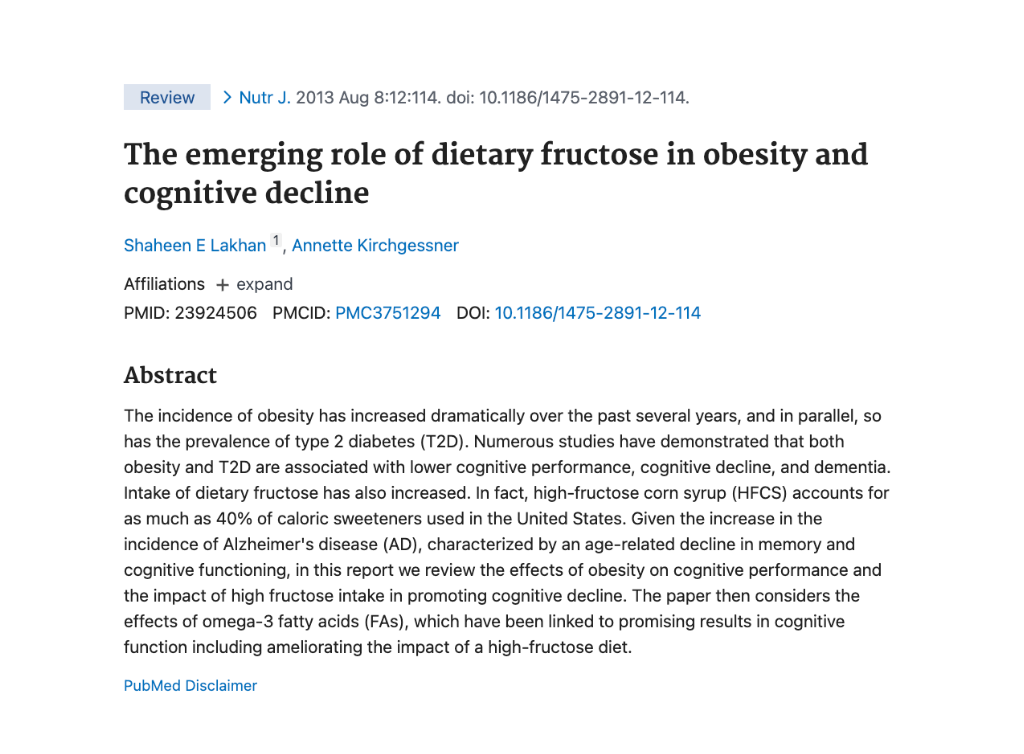
This article explores the connection between high dietary fructose intake and its contribution to obesity and cognitive decline through mechanisms involving insulin resistance, neuroinflammation, and oxidative stress. It highlights the importance of dietary interventions targeting fructose reduction to protect metabolic and brain health.
– Excessive fructose consumption is a major factor in the global obesity epidemic by promoting adiposity and metabolic dysregulation.
– Fructose metabolism bypasses key regulatory steps, leading to increased lipogenesis and fat accumulation, especially visceral fat.
– Insulin resistance induced by fructose impairs glucose uptake in peripheral tissues and the brain, disrupting energy metabolism.
– High fructose intake contributes to chronic low-grade inflammation via increased production of pro-inflammatory cytokines like TNF-alpha and IL-6.
– Fructose elevates oxidative stress markers in neural tissues, causing mitochondrial dysfunction and neuronal damage.
– Neuroinflammation triggered by fructose may accelerate cognitive decline and increase the risk of neurodegenerative diseases such as Alzheimer’s.
– Uric acid generated from fructose metabolism acts as a mediator of oxidative stress and vascular dysfunction in the brain.
– Fructose disrupts the blood-brain barrier integrity, increasing vulnerability to neurotoxic insults.
– The combination of systemic insulin resistance and neuroinflammation creates a feedback loop that exacerbates metabolic and cognitive impairments.
– Reducing dietary fructose, especially from processed foods and sweetened beverages, is crucial for preventing metabolic and neurological complications.
– Dietary strategies that emphasize low-carbohydrate or ketogenic approaches can improve insulin sensitivity and reduce inflammation.
– Natural bioactive compounds with antioxidant and anti-inflammatory properties may support brain health in the context of high fructose exposure.
– The article underscores the importance of early lifestyle interventions to mitigate the long-term risks of fructose-driven metabolic and cognitive decline.
– Fructose’s role in altering adipokine signaling (e.g., leptin resistance) also negatively impacts brain function and appetite regulation.
– Fructose’s synergistic effects with omega-6-rich seed oils may potentiate inflammatory pathways contributing to both obesity and cognitive dysfunction.
This article reinforces Opti Metabolics’ emphasis on insulin resistance as a central driver of metabolic and neurological disease, highlighting fructose as a critical dietary contributor. It supports the use of low-carbohydrate, anti-inflammatory nutritional strategies combined with natural ingredients to protect both metabolic and cognitive health.
– Confirms the detrimental impact of excessive carbohydrate consumption on insulin sensitivity and systemic inflammation.
– Supports reducing omega-6 seed oil intake to lessen metabolic stress and inflammation, consistent with The Purple Zone principles.
– Highlights the importance of dietary and lifestyle interventions to interrupt the metabolic-inflammation cycle implicated in chronic diseases.
Reviewed and interpreted by the Opti Metabolics editorial team, with a focus on early metabolic risk detection and prevention.
Read the article to learn more: The Emerging Role of Dietary Fructose in Obesity and Cognitive Decline
Opti Metabolics does not provide medical diagnosis, treatment, or advice. Our program is for educational and informational purposes only and does not represent medical advice or the practice of medicine. These article summaries are intended to help readers understand metabolic health research and emerging scientific findings, but personal health decisions should always be made in consultation with a qualified healthcare provider.
Participants are strongly advised to consult their personal healthcare professional before making any dietary, lifestyle, or medication changes.
Email: info@optimetabolics.com
It’s time to take control of your health.