Opti Metabolics 11652 Jollyville Road Austin, TX 78759

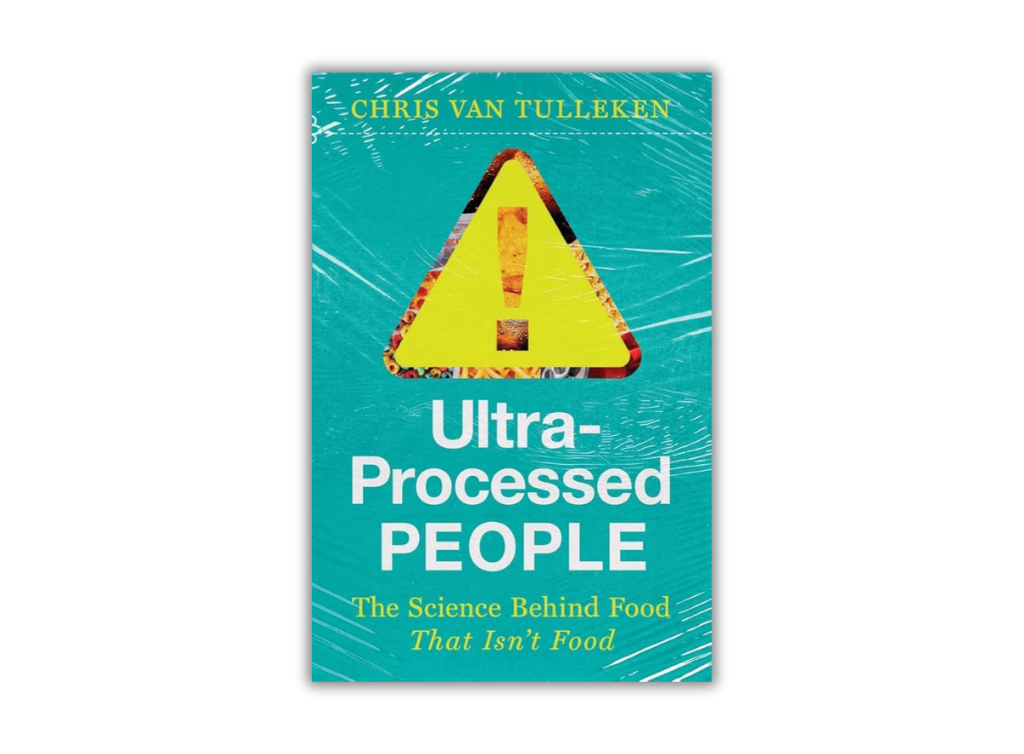
Executive Summary of Ultra-Processed People by Chris van Tulleken

Executive Summary of Ultra-Processed People by Chris van Tulleken

Overview

Ultra-Processed People by Chris van Tulleken explores the pervasive impact of ultra-processed foods (UPFs) on health, society, and the environment. Van Tulleken, a physician and researcher, combines scientific evidence, personal experiments, and investigative journalism to reveal how UPFs dominate modern diets, contribute to chronic diseases, and are driven by food industry practices prioritizing profit over health. This book highlights the biological, psychological, and systemic factors behind UPF consumption, urging readers to rethink their dietary choices.

Key Concepts of Ultra-Processed People

  1. Definition of Ultra-Processed Foods (UPFs): UPFs are industrially formulated products with multiple ingredients, additives, and processing techniques, often lacking whole food components. Examples include packaged snacks, sugary drinks, and ready meals.
  2. Health Impacts of UPFs: UPFs are linked to obesity, diabetes, heart disease, and mental health issues due to their high sugar, unhealthy fats, and additive content, which disrupt metabolism and promote overeating.
  3. Addictive Properties: UPFs are engineered to be hyper-palatable, exploiting brain reward systems to drive compulsive consumption, similar to addictive substances.
  4. Industry Manipulation: Food companies use aggressive marketing, misleading health claims, and lobbying to promote UPFs, prioritizing profits over public health.
  5. Environmental and Social Harm: UPF production contributes to environmental degradation and exploits vulnerable populations through cheap labor and targeted marketing.
  6. Personal and Systemic Solutions: Reducing UPF consumption requires individual dietary changes, such as prioritizing whole foods, alongside policy reforms to regulate food industries.

Key Statistics and Citations

  • Over 60% of calories in Western diets come from UPFs (Monteiro et al., 2019, Public Health Nutrition).
  • A 2019 study found that diets high in UPFs led to 500 extra calories consumed daily compared to unprocessed diets, driving weight gain (Hall et al., Cell Metabolism).
  • UPF consumption is associated with a 30-60% increased risk of chronic diseases like type 2 diabetes and cardiovascular disease (Srour et al., 2019, BMJ).
  • Van Tulleken cites his own experiment of eating an 80% UPF diet for a month, resulting in weight gain, increased hunger, and altered gut microbiome, highlighting their physiological impact.

A Comparison of Similarities & Contrasts to Opti Metabolics’ Approach

At Opti Metabolics, we share van Tulleken’s concern about the detrimental effects of ultra-processed foods, particularly their role in driving insulin resistance and chronic inflammation, which align with our focus on addressing root causes of metabolic dysfunction. Like van Tulleken, we advocate for diets rich in whole, unprocessed foods to improve metabolic health, emphasizing low-carbohydrate (<50g/day) or ketogenic (<20-30g/day) diets to stabilize blood sugar and reduce inflammation, countering the high-sugar, omega-6-rich UPFs van Tulleken critiques. Our use of advanced biomarker testing, such as glucose and lipid profiles, complements his evidence-based approach by providing data-driven insights into how UPFs disrupt metabolism.

However, at Opti Metabolics, we go beyond van Tulleken’s call for individual dietary shifts by offering personalized health plans tailored to each member’s bloodwork, lifestyle, and goals. While van Tulleken emphasizes systemic policy changes, we empower members with continuous coaching, wearable technology like CGMs, and targeted interventions like intermittent fasting and HIIT, ensuring sustainable, individualized progress. Unlike the book’s broader public health perspective, our holistic approach integrates mental well-being, sleep, and stress management, recognizing their role in metabolic health alongside diet.


Conclusion

Ultra-Processed People provides a compelling, accessible case against ultra-processed foods, linking them to health crises and systemic issues while advocating for whole-food diets and policy reform. At Opti Metabolics, we align with van Tulleken’s critique of UPFs and their metabolic harm, particularly their contribution to insulin resistance and inflammation, but enhance this with personalized, data-driven protocols to empower lasting health improvements. This summary underscores the urgency of reducing UPF consumption, offering a practical, individualized path forward through our evidence-based, holistic approach.

Read the book to learn more: Ultra-Processed People

x
Opti Metabolics provides informational health insights and does not dispense medical advice, diagnose, treat, or cure any medical conditions. Always consult a qualified healthcare professional before making any health-related decisions.

Contact With Us!

Email: info@optimetabolics.com

Metabolic Snapshot Assessment

Metabolic Snapshot Assessment

Prepared for

Metabolic Marty

Assessment Date

June 2,2026

Identifying Metabolic Risk Before It Becomes Disease

Executive Summary

Your results suggest early signs of metabolic dysfunction are emerging beneath the surface.

While you may feel healthy today, several biomarkers indicate increasing risk for insulin resistance, cardiovascular disease, and other chronic conditions if these patterns continue to progress.

The encouraging news is that these findings were identified before disease developed, creating an opportunity to improve your long-term health trajectory through targeted interventions.

Metabolic Age

20

Metabolic Age

your age

60

Metabolic Age

Years
+ 2 .0

Older than your chronological age

Biomarker risk distrubution

No
Risk

31

Low
Risk

22

Medium Risk

9

High Risk

9

Higher Risk

10

Higher numbers indicate more biomarkers in each risk category.

Your Top Priority areas

See What's Driving Your Risk
Understand how your biomarkers and habits are shaping your future health.
See What's Driving Your Risk
Understand how your biomarkers and habits are shaping your future health.
See What's Driving Your Risk
Understand how your biomarkers and habits are shaping your future health.

The Optic Metabolic Lens

We look upstream to identify and address the root drivers of chronic disease long before symptoms appear.

1. Insulin Resistance

Excess insulin and poor cellular response drive metabolic dycfuntion and fat storage.

2. Oxidative stress

Imbalance between free radicals and your body's antioxidant defenses.

3. Inflamation

Chronic, low grade inflamation damages tissues and disrupts normal function.

4. Stress Physiology

Elevated cortisol and other stress hormones amplify the damaga and impair recovery.

5. Genetic Risk

Inherited factors can increase succeptbility and influence how your body responds.

6. Disease Progression

Over time, these drivers create the foundation for chronic disease to take root.

Eat Like a Human Again

Drop your name and email to receive the eBook that shows how returning to simple, whole foods can restore stable energy, support metabolic health, and help your body function the way it was designed to.
Name

The Fast Track to Frailty

Drop your name and email to receive the guide that helps you understand how GLP-1 weight loss changes your body, and why the scale alone never tells the full story.
Name

Starving for Nothing

Drop your name and email to receive the eBook that shows why “Eat Less, Move More” was never your fault. It was the wrong story, and now you get the right one.
Name