Email: success@optimetabolics.com
This article is part of Opti Metabolics’ ongoing effort to translate complex metabolic research into clear, practical insights for readers without formal scientific or medical training.
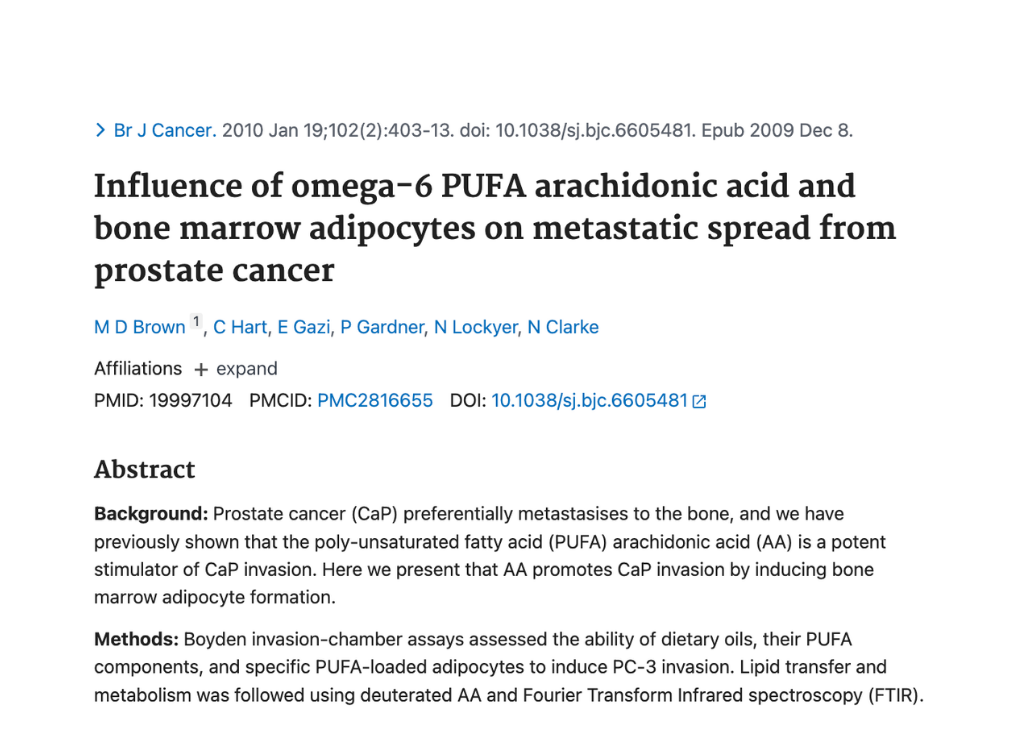
This article investigates how the omega-6 polyunsaturated fatty acid arachidonic acid (AA) and bone marrow adipocytes contribute to the progression and metastatic spread of prostate cancer. The findings highlight the pro-inflammatory role of AA-derived metabolites and the metabolic crosstalk with fat cells in the bone marrow microenvironment, suggesting that excessive omega-6 intake may promote cancer aggressiveness through inflammatory and metabolic pathways.
– Arachidonic acid, an omega-6 fatty acid, is a precursor to pro-inflammatory eicosanoids that facilitate cancer cell proliferation and invasion.
– Bone marrow adipocytes create a supportive niche for metastatic prostate cancer cells by supplying lipids and inflammatory mediators.
– Increased levels of AA-derived metabolites correlate with enhanced tumor growth and metastatic potential.
– The interaction between prostate cancer cells and bone marrow fat cells promotes local inflammation and metabolic stress.
– AA metabolism influences signaling pathways that regulate tumor cell survival, migration, and angiogenesis.
– Inflammatory cytokines produced in the bone marrow microenvironment further exacerbate tumor progression.
– The study suggests that dietary omega-6 PUFA excess may fuel metastatic processes through systemic and local inflammation.
– Prostate cancer cells exhibit metabolic flexibility by utilizing fatty acids from adipocytes to support energy demands.
– Targeting AA pathways and reducing omega-6 intake could offer therapeutic benefits in controlling metastasis.
– The role of omega-6 in cancer progression aligns with broader patterns of metabolic dysregulation driven by insulin resistance and inflammation.
– Suppressing omega-6–mediated inflammation may reduce oxidative stress and improve metabolic health outcomes.
– Bone marrow adiposity increases with age and obesity, compounding risks linked to metabolic syndrome and cancer spread.
– The study highlights the importance of considering fat quality and metabolic environment in cancer prevention strategies.
– Natural dietary approaches lowering omega-6 intake and supporting mitochondrial function could mitigate these risks.
– These findings underscore the interconnectedness of metabolic health, inflammation, and chronic disease progression, including cancer.
This article reinforces the Opti Metabolics principle that chronic inflammation driven by excess omega-6 fatty acids exacerbates metabolic dysfunction and disease progression. It supports the recommendation to reduce omega-6 seed oils and adopt diets that limit inflammatory substrates, thereby protecting cellular metabolism and reducing cancer risks.
– Highlights the critical role of omega-6 fatty acids in promoting inflammatory and metabolic stress, consistent with Opti Metabolics guidelines.
– Demonstrates how metabolic dysfunction and insulin resistance contribute to cancer progression, linking metabolic health to chronic disease prevention.
– Supports the use of low-carbohydrate or ketogenic diets to improve metabolic resilience and reduce inflammation-driven disease mechanisms.
Reviewed and interpreted by the Opti Metabolics editorial team, with a focus on early metabolic risk detection and prevention.
Read the article to learn more: Influence of Omega-6 PUFA Arachidonic Acid and Bone Marrow Adipocytes on Metastatic Spread from Prostate Cancer
Opti Metabolics does not provide medical diagnosis, treatment, or advice. Our program is for educational and informational purposes only and does not represent medical advice or the practice of medicine. These article summaries are intended to help readers understand metabolic health research and emerging scientific findings, but personal health decisions should always be made in consultation with a qualified healthcare provider.
Participants are strongly advised to consult their personal healthcare professional before making any dietary, lifestyle, or medication changes.
Email: info@optimetabolics.com
Your results suggest early signs of metabolic dysfunction are emerging beneath the surface.
While you may feel healthy today, several biomarkers indicate increasing risk for insulin resistance, cardiovascular disease, and other chronic conditions if these patterns continue to progress.
The encouraging news is that these findings were identified before disease developed, creating an opportunity to improve your long-term health trajectory through targeted interventions.
No
Risk
Low
Risk
Medium Risk
High Risk
Higher Risk
Higher numbers indicate more biomarkers in each risk category.
We look upstream to identify and address the root drivers of chronic disease long before symptoms appear.
Excess insulin and poor cellular response drive metabolic dycfuntion and fat storage.
Imbalance between free radicals and your body's antioxidant defenses.
Chronic, low grade inflamation damages tissues and disrupts normal function.
Elevated cortisol and other stress hormones amplify the damaga and impair recovery.
Inherited factors can increase succeptbility and influence how your body responds.
Over time, these drivers create the foundation for chronic disease to take root.