Email: success@optimetabolics.com
This article is part of Opti Metabolics’ ongoing effort to translate complex metabolic research into clear, practical insights for readers without formal scientific or medical training.
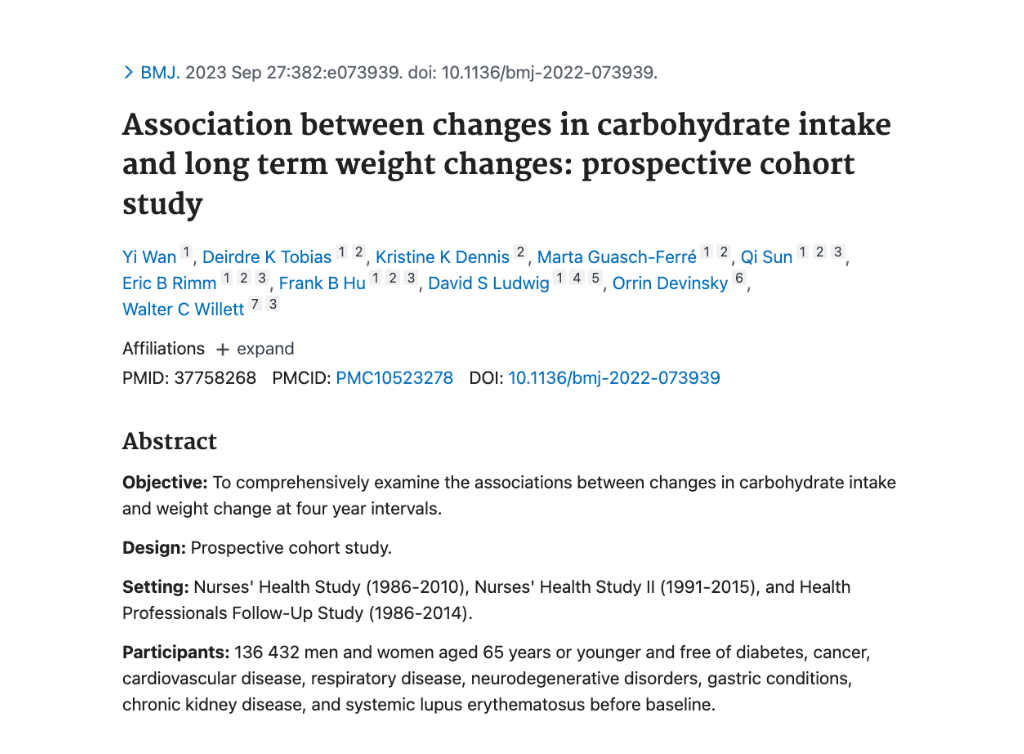
This prospective cohort study of over 136,000 participants across three large US cohorts found that increases in carbohydrate intake from refined grains, starchy vegetables, starch, and added sugars were associated with greater long-term weight gain, while increases from fiber, whole grains, fruits, and non-starchy vegetables were linked to less weight gain, with effects stronger in those with overweight or obesity. The results emphasize the critical role of carbohydrate quality in driving metabolic imbalances, such as insulin resistance from high-glycemic loads, which contribute to obesity and chronic diseases. For metabolic health and prevention, shifting to low-carbohydrate or ketogenic diets rich in natural, fiber-dense foods can help regulate energy levels, reduce inflammation, and achieve The Purple Zone of optimal metabolic function.
– The study analyzed 136,432 participants from three cohorts: Nurses’ Health Study, Nurses’ Health Study II, and Health Professionals Follow-up Study, with follow-up periods of 24-28 years.
– Participants experienced an average weight gain of 1.5 kg every four years, totaling about 8.8 kg over 24 years.
– A 10-unit increase in glycemic index was associated with 1.2 kg greater weight gain over four years.
– A 100-unit increase in glycemic load was associated with 0.7 kg greater weight gain over four years.
– A 100 g/day increase in starch intake was associated with 1.5 kg greater weight gain over four years.
– A 100 g/day increase in added sugar intake was associated with 0.9 kg greater weight gain over four years.
– A 10 g/day increase in fiber intake was associated with 0.8 kg less weight gain over four years.
– A 100 g/day increase in natural sugar intake was associated with 0.1 kg less weight gain over four years.
– Increased carbohydrate intake from whole grains (100 g/day) was associated with 0.4 kg less weight gain over four years.
– Increased carbohydrate intake from fruit (100 g/day) was associated with 1.6 kg less weight gain over four years.
– Increased carbohydrate intake from non-starchy vegetables (100 g/day) was associated with 3.0 kg less weight gain over four years.
– Increased carbohydrate intake from refined grains (100 g/day) was associated with 0.8 kg greater weight gain over four years.
– Increased carbohydrate intake from starchy vegetables (100 g/day) was associated with 2.6 kg greater weight gain over four years.
– Substituting refined grains, starchy vegetables, or sugar-sweetened beverages with whole grains, fruit, or non-starchy vegetables was associated with less weight gain.
– Associations between carbohydrate changes and weight gain were stronger among participants with overweight or obesity, and generally stronger in women than men.
This article reinforces the Opti Metabolics framework by illustrating how poor-quality carbohydrates, such as refined starches and sugars, promote insulin resistance and metabolic dysfunction leading to weight gain and chronic conditions, which can be addressed through low-carbohydrate or ketogenic diets that emphasize natural, fiber-rich ingredients for better blood sugar control and energy management. By avoiding inflammatory omega-6-rich seed oils often found in processed carb-heavy foods, individuals can further reduce metabolic stress and achieve The Purple Zone of balanced, inflammation-free metabolism.
– Connects excessive carbohydrate intake, particularly from refined sources, to insulin resistance and underlying contributors to diseases like diabetes and heart disease, aligning with patterns mitigated by low-carb strategies.
– Highlights the role of glycemic index and load in oxidative stress and chronic inflammatory stresses, which Opti Metabolics addresses through ketogenic and natural ingredient-focused interventions.
– Emphasizes lifestyle risks from poor dietary choices, supporting preventive approaches that reduce cortisol-mediated glycemic stresses via metabolic optimization.
Reviewed and interpreted by the Opti Metabolics editorial team, with a focus on early metabolic risk detection and prevention.
Read the article to learn more: Association Between Changes in Carbohydrate Intake and Long Term Weight Changes: Prospective Cohort Study
Opti Metabolics does not provide medical diagnosis, treatment, or advice. Our program is for educational and informational purposes only and does not represent medical advice or the practice of medicine. These article summaries are intended to help readers understand metabolic health research and emerging scientific findings, but personal health decisions should always be made in consultation with a qualified healthcare provider.
Participants are strongly advised to consult their personal healthcare professional before making any dietary, lifestyle, or medication changes.
Email: info@optimetabolics.com
It’s time to take control of your health.