Nutrition is one of the most powerful tools we have for influencing metabolic health, yet it’s also one of the most misunderstood. This category approaches food through a biological lens, not trends, ideology, or dietary camps.
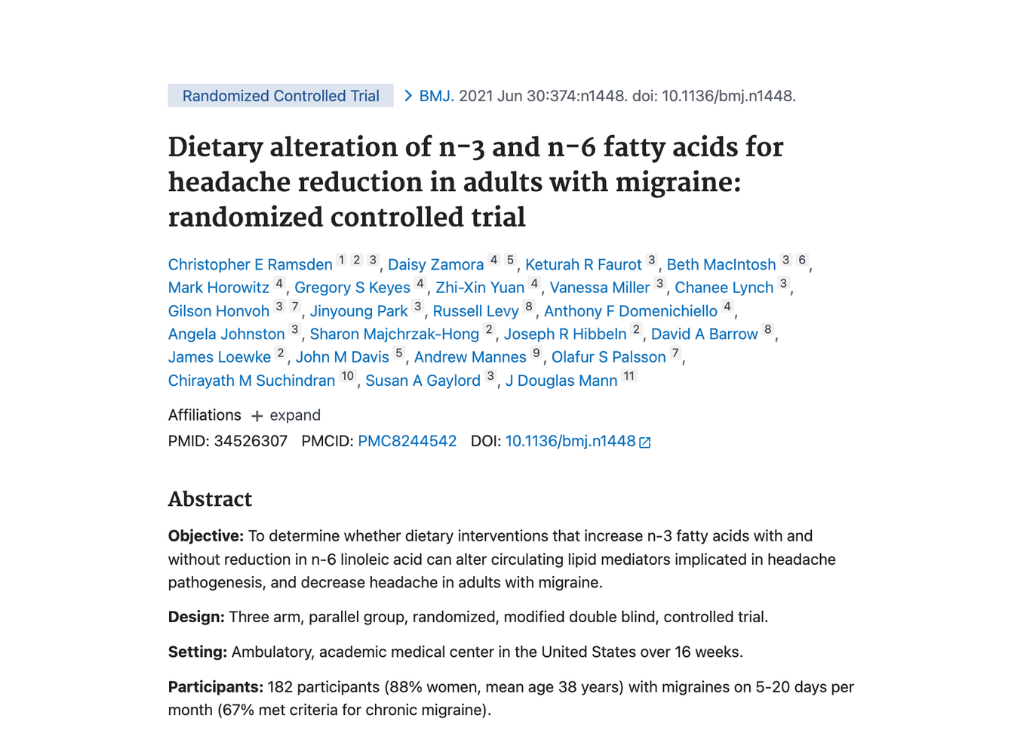
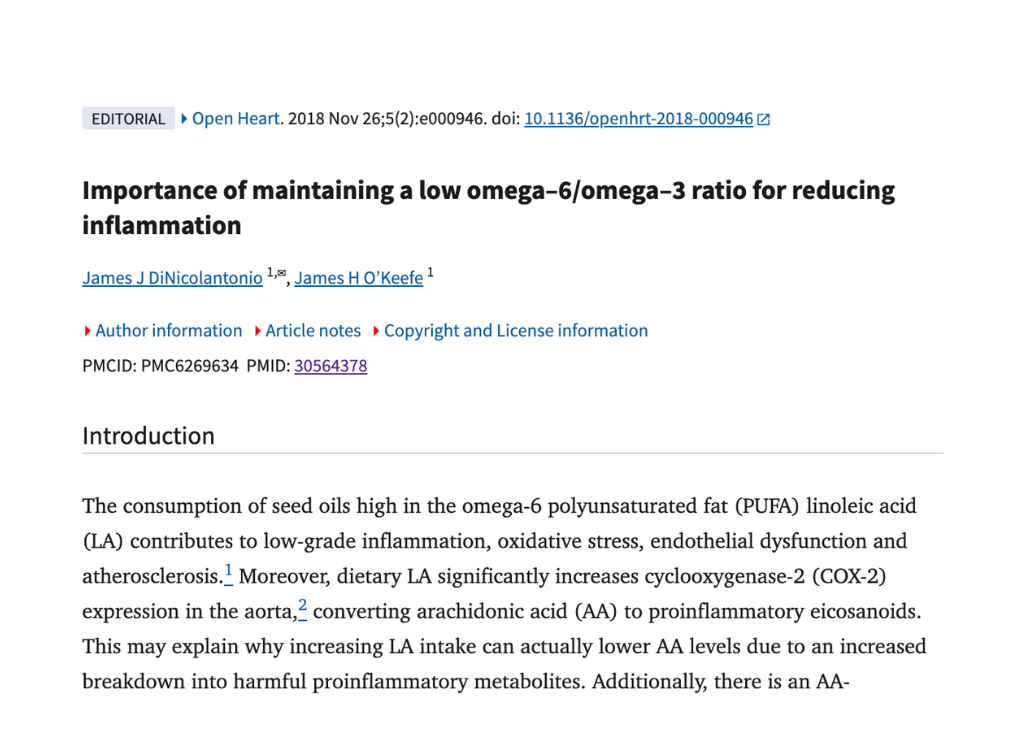
The articles here explore how macronutrients, micronutrients, food quality, and eating patterns affect insulin signaling, inflammation, mitochondrial function, and metabolic flexibility. A major emphasis is placed on the metabolic consequences of ultra-processed foods and industrial seed oils, and how they disrupt appetite regulation, impair insulin sensitivity, alter fatty acid balance, and drive chronic inflammatory stress.Topics include low-carbohydrate and ketogenic approaches, fasting and fasting-mimicking strategies, protein intake, and the impact of ultra-processed foods and industrial seed oils.
Rather than prescribing rigid diets, the focus is on principles that work in real life, including travel, eating out, and long-term sustainability. Supplements are discussed when appropriate, but always as support, not substitutes for foundational nutrition.
The aim of this category is to reduce confusion and bring nutrition back to physiology. When food is understood in terms of how the body responds, better decisions tend to follow naturally.
Opti Metabolics provides informational health insights and does not dispense medical advice, diagnose, treat, or cure any medical conditions. Always consult a qualified healthcare professional before making any health-related decisions.
Identifying Metabolic Risk Before It Becomes Disease
Executive Summary
Your results suggest early signs of metabolic dysfunction are emerging beneath the surface.
While you may feel healthy today, several biomarkers indicate increasing risk for insulin resistance, cardiovascular disease, and other chronic conditions if these patterns continue to progress.
The encouraging news is that these findings were identified before disease developed, creating an opportunity to improve your long-term health trajectory through targeted interventions.
Metabolic Age
20
Metabolic Age
your age
60
Metabolic Age
Years
+2.0
Older than your chronological age
Biomarker risk distrubution
No Risk
31
Low Risk
22
Medium Risk
9
High Risk
9
Higher Risk
10
Higher numbers indicate more biomarkers in each risk category.
Your Top Priority areas
See What's Driving Your Risk
Understand how your biomarkers and habits are shaping your future health.
See What's Driving Your Risk
Understand how your biomarkers and habits are shaping your future health.
See What's Driving Your Risk
Understand how your biomarkers and habits are shaping your future health.
The Optic Metabolic Lens
We look upstream to identify and address the root drivers of chronic disease long before symptoms appear.
1. Insulin Resistance
Excess insulin and poor cellular response drive metabolic dycfuntion and fat storage.
2. Oxidative stress
Imbalance between free radicals and your body's antioxidant defenses.
3. Inflamation
Chronic, low grade inflamation damages tissues and disrupts normal function.
4. Stress Physiology
Elevated cortisol and other stress hormones amplify the damaga and impair recovery.
5. Genetic Risk
Inherited factors can increase succeptbility and influence how your body responds.
6. Disease Progression
Over time, these drivers create the foundation for chronic disease to take root.
Our goal is to identify and address these drivers early when your body still has the greatest ability to heal and thrive.
Drop your name and email to receive the eBook that shows how returning to simple, whole foods can restore stable energy, support metabolic health, and help your body function the way it was designed to.
The Fast Track to Frailty
Drop your name and email to receive the guide that helps you understand how GLP-1 weight loss changes your body, and why the scale alone never tells the full story.
Starving for Nothing
Drop your name and email to receive the eBook that shows why “Eat Less, Move More” was never your fault. It was the wrong story, and now you get the right one.