Key Takeaways Explained for a Non-Medical Audience
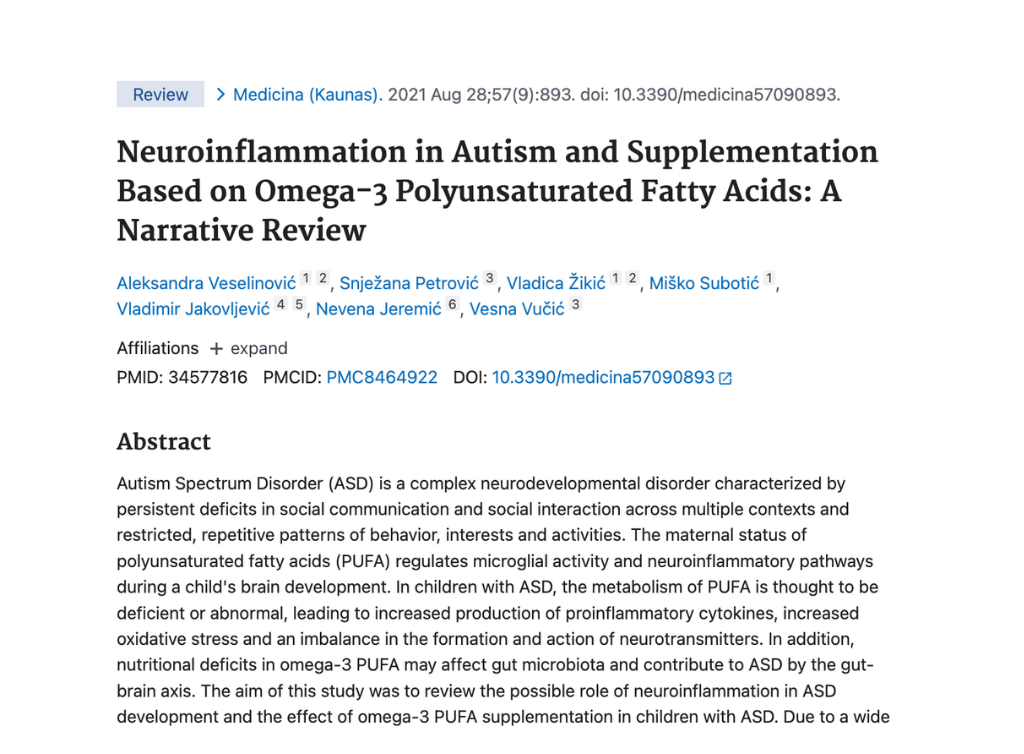
– Neuroinflammation is a central feature of ASD, with elevated levels of pro-inflammatory cytokines such as IL-6, TNF-α, and IL-1β observed in both brain tissue and cerebrospinal fluid.
– Microglial activation and astrocyte dysfunction are implicated in the pathophysiology of ASD, contributing to chronic inflammatory signaling and impaired neural connectivity.
– Children with ASD often exhibit altered immune profiles, including increased oxidative stress and systemic inflammation, suggesting a link between immune dysregulation and behavioral symptoms.
– Omega-3 fatty acids, especially EPA and DHA, exhibit anti-inflammatory and neuroprotective properties that can modulate immune responses and reduce cytokine production.
EPA and DHA influence membrane fluidity, neurotransmitter function, and gene expression involved in neuronal growth and repair.
– Studies have shown that omega-3 supplementation may improve language skills, social interaction, and reduce hyperactivity in some children with ASD.
– A deficiency in omega-3s is common in Western diets, which are often rich in omega-6 fatty acids from seed oils, potentially exacerbating the omega-6 to omega-3 imbalance and promoting inflammation.
– The ratio of omega-6 to omega-3 fatty acids is critical; a high ratio is associated with increased inflammation and poor neurodevelopmental outcomes.
– Several clinical trials suggest moderate benefits of omega-3 supplementation in reducing ASD-related symptoms, though findings are not entirely consistent.
– The anti-inflammatory mechanism of omega-3s involves downregulating NF-κB signaling and reducing COX-2 expression.
– Early-life intervention with omega-3s may be particularly beneficial, as brain development is highly sensitive to nutritional influences during infancy and childhood.
– Dietary strategies that reduce omega-6-rich seed oils and increase omega-3 intake could provide a safer, adjunctive approach to managing ASD symptoms.
– Supplementation safety profiles are generally favorable, though appropriate dosing and purity of supplements remain essential.
– The review underscores the potential for personalized nutrition to support neurological function and reduce inflammation in ASD.
– Further research is needed to refine dosing strategies, assess long-term effects, and explore the interplay between omega-3s and other metabolic or environmental factors in ASD.