Email: success@optimetabolics.com
This article is part of Opti Metabolics’ ongoing effort to translate complex metabolic research into clear, practical insights for readers without formal scientific or medical training.
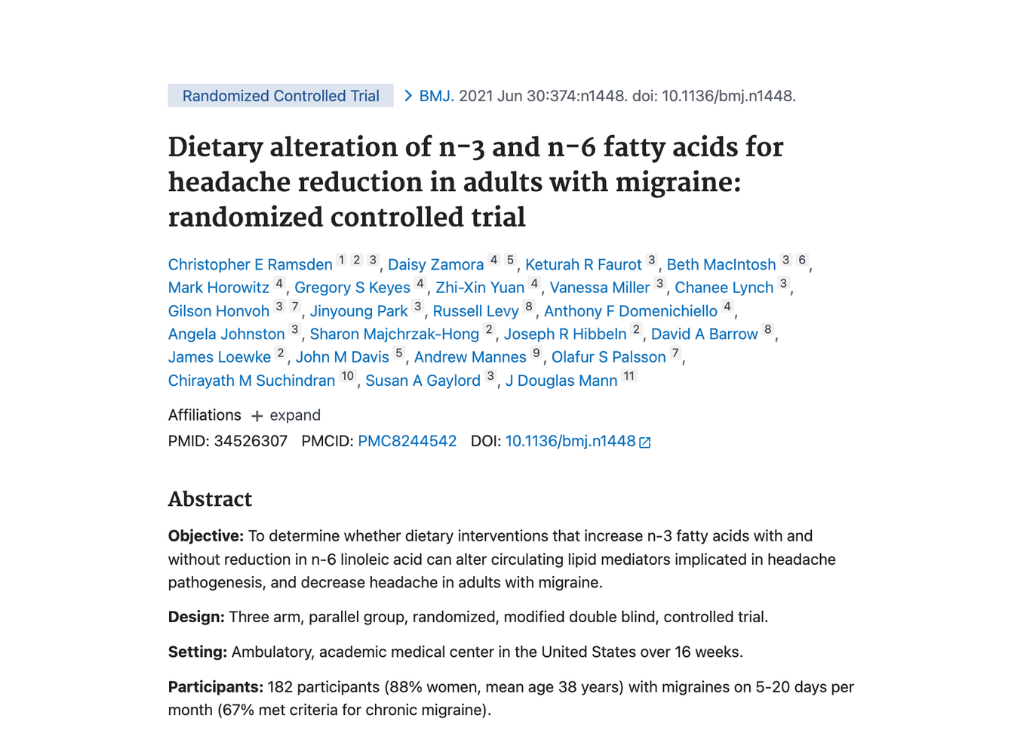
This randomized controlled trial demonstrated that increasing dietary intake of omega-3 fatty acids while reducing omega-6 linoleic acid significantly reduced the frequency and severity of migraines in adults. The results suggest that modulation of dietary fatty acids can influence pain signaling and inflammatory pathways, providing a non-pharmacologic strategy for migraine management with broader implications for inflammatory and metabolic health.
– Participants who consumed a diet high in omega-3 EPA and DHA with reduced omega-6 linoleic acid experienced significant reductions in headache frequency and intensity.
– The intervention diet led to a notable decrease in headache days per month compared to the control group.
– Altering the fatty acid profile also reduced the severity and duration of migraine attacks.
– The biochemical analysis showed a shift in circulating lipid mediators toward anti-inflammatory and pro-resolving species.
– High omega-6 intake is associated with the production of pro-inflammatory lipid derivatives that may exacerbate pain and inflammation.
– Omega-3 fatty acids exert anti-inflammatory effects by being converted into resolvins and protectins that can modulate neural and immune activity.
– The combined effect of increasing omega-3s and decreasing omega-6s was more effective than increasing omega-3s alone.
– The study used whole-food-based dietary strategies rather than supplements, enhancing real-world applicability.
– Participants experienced improved quality of life scores, reflecting reduced pain-related disability.
– Results support the hypothesis that chronic pain conditions may be partly driven by an imbalance in dietary fats.
– The findings align with broader evidence that omega-6-rich seed oils contribute to systemic inflammation and may worsen inflammatory disorders.
– Reducing linoleic acid intake may decrease central sensitization, a key factor in chronic pain syndromes.
– The trial design allowed for rigorous control and monitoring of dietary intake, adding credibility to the results.
– The study reinforces the therapeutic value of modifying the dietary omega-6/omega-3 ratio beyond cardiovascular or metabolic outcomes.
– This trial adds to a growing body of evidence that food-based interventions can modulate inflammation-driven neurological conditions.
This study supports the Opti Metabolics emphasis on optimizing fatty acid intake by lowering omega-6 linoleic acid and increasing omega-3 EPA/DHA. These dietary changes not only reduce systemic inflammation and improve metabolic function but also offer significant benefits in pain-related conditions like migraine—underscoring the interconnectedness of metabolic health and neurologic resilience.
– Reinforces the harmful impact of high dietary omega-6 intake on inflammation and neurological symptoms.
– Supports prioritization of omega-3 fatty acids for their anti-inflammatory, neuroprotective, and metabolic benefits.
– Aligns with Opti Metabolics dietary guidance emphasizing the elimination of seed oils and adoption of whole-food fat sources rich in monounsaturated and omega-3 fats.
Reviewed and interpreted by the Opti Metabolics editorial team, with a focus on early metabolic risk detection and prevention.
Read the article to learn more: Dietary Alteration of n-3 and n-6 Fatty Acids for Headache Reduction in Adults with Migraine: Randomized Controlled Trial
Opti Metabolics does not provide medical diagnosis, treatment, or advice. Our program is for educational and informational purposes only and does not represent medical advice or the practice of medicine. These article summaries are intended to help readers understand metabolic health research and emerging scientific findings, but personal health decisions should always be made in consultation with a qualified healthcare provider.
Participants are strongly advised to consult their personal healthcare professional before making any dietary, lifestyle, or medication changes.
Email: info@optimetabolics.com
Your results suggest early signs of metabolic dysfunction are emerging beneath the surface.
While you may feel healthy today, several biomarkers indicate increasing risk for insulin resistance, cardiovascular disease, and other chronic conditions if these patterns continue to progress.
The encouraging news is that these findings were identified before disease developed, creating an opportunity to improve your long-term health trajectory through targeted interventions.
No
Risk
Low
Risk
Medium Risk
High Risk
Higher Risk
Higher numbers indicate more biomarkers in each risk category.
We look upstream to identify and address the root drivers of chronic disease long before symptoms appear.
Excess insulin and poor cellular response drive metabolic dycfuntion and fat storage.
Imbalance between free radicals and your body's antioxidant defenses.
Chronic, low grade inflamation damages tissues and disrupts normal function.
Elevated cortisol and other stress hormones amplify the damaga and impair recovery.
Inherited factors can increase succeptbility and influence how your body responds.
Over time, these drivers create the foundation for chronic disease to take root.