Email: success@optimetabolics.com
This article is part of Opti Metabolics’ ongoing effort to translate complex metabolic research into clear, practical insights for readers without formal scientific or medical training.
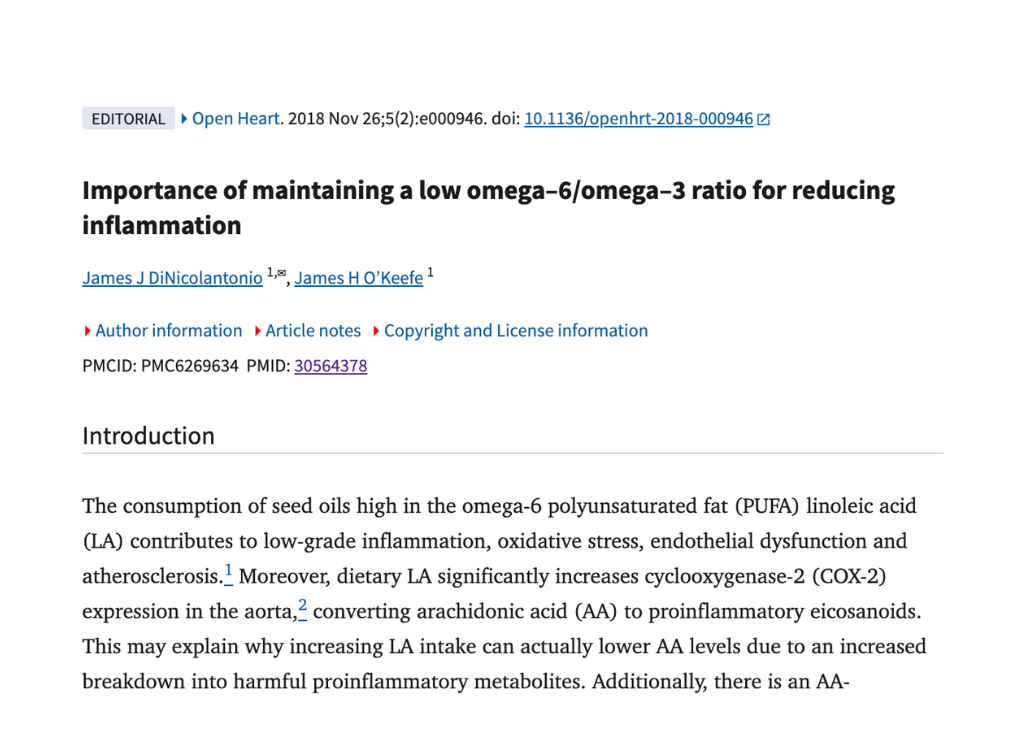
This article underscores the critical importance of reducing the omega-6 to omega-3 fatty acid ratio to lower chronic inflammation and prevent a range of metabolic and degenerative diseases. A lower ratio promotes anti-inflammatory effects, improved insulin sensitivity, and better cardiovascular and neurological outcomes, aligning with ancestral eating patterns and modern metabolic health strategies.
– The typical Western diet has an omega-6/omega-3 ratio of 16:1 or higher, far exceeding the evolutionarily adapted 1:1 to 4:1 ratio.
– Excessive omega-6 intake promotes the production of arachidonic acid–derived inflammatory compounds such as prostaglandins and leukotrienes.
– High omega-6 levels contribute to the pathogenesis of insulin resistance, obesity, type 2 diabetes, and cardiovascular disease.
– Increasing omega-3 intake, particularly EPA and DHA, counters inflammation and supports endothelial function.
– A lower omega-6/omega-3 ratio has been shown to reduce cancer cell proliferation and improve outcomes in diseases such as breast cancer and rheumatoid arthritis.
– The inflammatory burden from excess omega-6 fatty acids can exacerbate neuroinflammation and is linked to increased risk for Alzheimer’s and cognitive decline.
– Omega-3s support membrane fluidity and improve mitochondrial function, directly influencing metabolic flexibility and energy production.
– Clinical trials show that reducing the omega-6/omega-3 ratio lowers levels of inflammatory markers such as C-reactive protein and TNF-alpha.
– Excess linoleic acid from seed oils is easily oxidized, leading to the formation of harmful lipid peroxides and aldehydes.
– Correcting this imbalance supports improved lipid profiles, including lower triglycerides and improved HDL function.
– A high omega-6/omega-3 ratio contributes to leptin resistance, further impairing appetite regulation and fat storage.
– The imbalance may also play a role in autoimmune conditions, with improved outcomes observed when omega-3 intake is increased.
– The article recommends reducing seed oil consumption and replacing it with omega-3-rich foods such as fatty fish or marine-based supplements.
– Inflammation driven by omega-6 dominance contributes to vascular dysfunction, oxidative stress, and arterial plaque instability.
– Realigning the dietary fat profile helps restore immune balance, cellular resilience, and hormonal regulation.
This article directly supports the Opti Metabolics emphasis on minimizing omega-6 seed oils and increasing omega-3 intake as a key pillar of metabolic restoration. Maintaining a balanced omega-6/omega-3 ratio is foundational to reducing chronic inflammatory load, improving insulin signaling, and protecting mitochondrial health.
– Confirms the inflammatory and oxidative risks of omega-6 overconsumption, particularly from industrial seed oils.
– Reinforces the role of omega-3 fatty acids in supporting insulin sensitivity and reducing chronic disease risk.
– Aligns with low-carb and ketogenic strategies that limit processed foods and promote healthy fats to correct metabolic dysfunction.
Reviewed and interpreted by the Opti Metabolics editorial team, with a focus on early metabolic risk detection and prevention.
Read the article to learn more: Importance of Maintaining a Low Omega-6/Omega-3 Ratio for Reducing Inflammation
Opti Metabolics does not provide medical diagnosis, treatment, or advice. Our program is for educational and informational purposes only and does not represent medical advice or the practice of medicine. These article summaries are intended to help readers understand metabolic health research and emerging scientific findings, but personal health decisions should always be made in consultation with a qualified healthcare provider.
Participants are strongly advised to consult their personal healthcare professional before making any dietary, lifestyle, or medication changes.
Email: info@optimetabolics.com
It’s time to take control of your health.