Email: success@optimetabolics.com
This article is part of Opti Metabolics’ ongoing effort to translate complex metabolic research into clear, practical insights for readers without formal scientific or medical training.
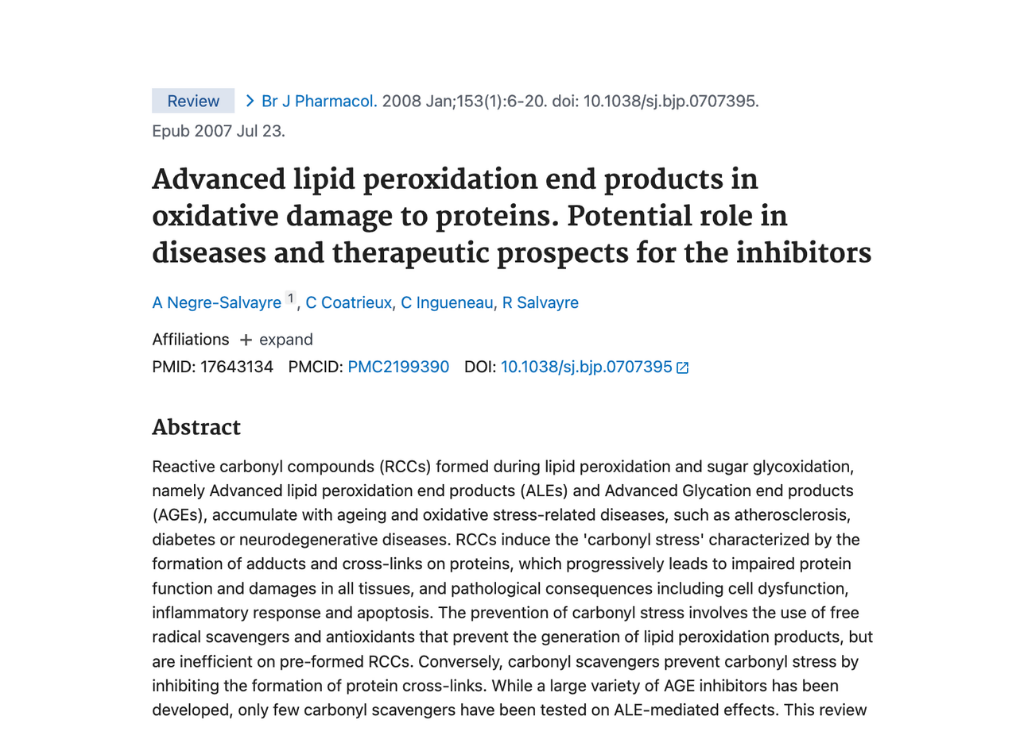
This article explores how advanced lipid peroxidation end products (ALEs) result from the oxidative degradation of polyunsaturated lipids and contribute significantly to protein damage and cellular dysfunction. The authors highlight the link between ALE accumulation and the onset of chronic diseases, emphasizing the potential of targeted inhibitors to mitigate their pathological impact and improve metabolic resilience.
– Advanced lipid peroxidation end products (ALEs) form when reactive aldehydes like 4-HNE and MDA bind covalently to proteins.
– ALEs accumulate in tissues over time and impair protein structure, enzymatic activity, and cell signaling.
– ALEs are highly reactive and propagate oxidative damage, contributing to a cycle of cellular stress and dysfunction.
– ALE-induced modifications to mitochondrial proteins impair energy metabolism and promote apoptotic pathways.
– ALEs are implicated in the progression of insulin resistance, atherosclerosis, neurodegenerative diseases, and various cancers.
– Chronic inflammation and oxidative stress promote the formation of ALEs, particularly in metabolically compromised individuals.
– ALEs activate immune responses by engaging receptors such as RAGE (receptor for advanced glycation end products), exacerbating inflammation.
– Exposure to dietary and environmental sources of oxidized PUFAs, particularly seed oils, can increase ALE formation.
ALEs negatively affect membrane fluidity, cell adhesion, and intercellular communication.
– The brain and cardiovascular system are especially vulnerable to ALE-induced oxidative injury due to their lipid-rich environments.
– Potential therapeutic strategies include antioxidant supplementation, scavengers of reactive aldehydes, and inhibition of ALE-receptor interactions.
– Glutathione and other endogenous detoxifiers play key roles in neutralizing ALEs and limiting their accumulation.
– Low-carbohydrate and ketogenic diets may reduce oxidative stress and thereby attenuate ALE generation.
– Monitoring ALE-related biomarkers could support early detection of oxidative stress-related pathologies.
– Inhibiting ALE formation or activity is a promising avenue for reducing chronic disease risk and promoting metabolic health.
This article provides a mechanistic link between lipid peroxidation, protein dysfunction, and chronic disease—reinforcing the Opti Metabolics framework that identifies oxidative stress and metabolic disruption as root causes. Reducing dietary PUFA exposure and supporting endogenous antioxidant systems are essential strategies for preventing ALE-related metabolic damage.
– Reinforces the detrimental role of omega-6 seed oils and oxidized lipids in driving oxidative and metabolic stress.
– Supports the link between oxidative stress, insulin resistance, and the downstream consequences of chronic disease.
– Aligns with strategies that prioritize antioxidant defense, mitochondrial health, and inflammation control through lifestyle and nutritional interventions.
Reviewed and interpreted by the Opti Metabolics editorial team, with a focus on early metabolic risk detection and prevention.
Read the article to learn more: Advanced Lipid Peroxidation End Products in Oxidative Damage to Proteins. Potential Role in Diseases and Therapeutic Prospects for the Inhibitors
Opti Metabolics does not provide medical diagnosis, treatment, or advice. Our program is for educational and informational purposes only and does not represent medical advice or the practice of medicine. These article summaries are intended to help readers understand metabolic health research and emerging scientific findings, but personal health decisions should always be made in consultation with a qualified healthcare provider.
Participants are strongly advised to consult their personal healthcare professional before making any dietary, lifestyle, or medication changes.
Email: info@optimetabolics.com
Your results suggest early signs of metabolic dysfunction are emerging beneath the surface.
While you may feel healthy today, several biomarkers indicate increasing risk for insulin resistance, cardiovascular disease, and other chronic conditions if these patterns continue to progress.
The encouraging news is that these findings were identified before disease developed, creating an opportunity to improve your long-term health trajectory through targeted interventions.
No
Risk
Low
Risk
Medium Risk
High Risk
Higher Risk
Higher numbers indicate more biomarkers in each risk category.
We look upstream to identify and address the root drivers of chronic disease long before symptoms appear.
Excess insulin and poor cellular response drive metabolic dycfuntion and fat storage.
Imbalance between free radicals and your body's antioxidant defenses.
Chronic, low grade inflamation damages tissues and disrupts normal function.
Elevated cortisol and other stress hormones amplify the damaga and impair recovery.
Inherited factors can increase succeptbility and influence how your body responds.
Over time, these drivers create the foundation for chronic disease to take root.