Email: success@optimetabolics.com
This article is part of Opti Metabolics’ ongoing effort to translate complex metabolic research into clear, practical insights for readers without formal scientific or medical training.
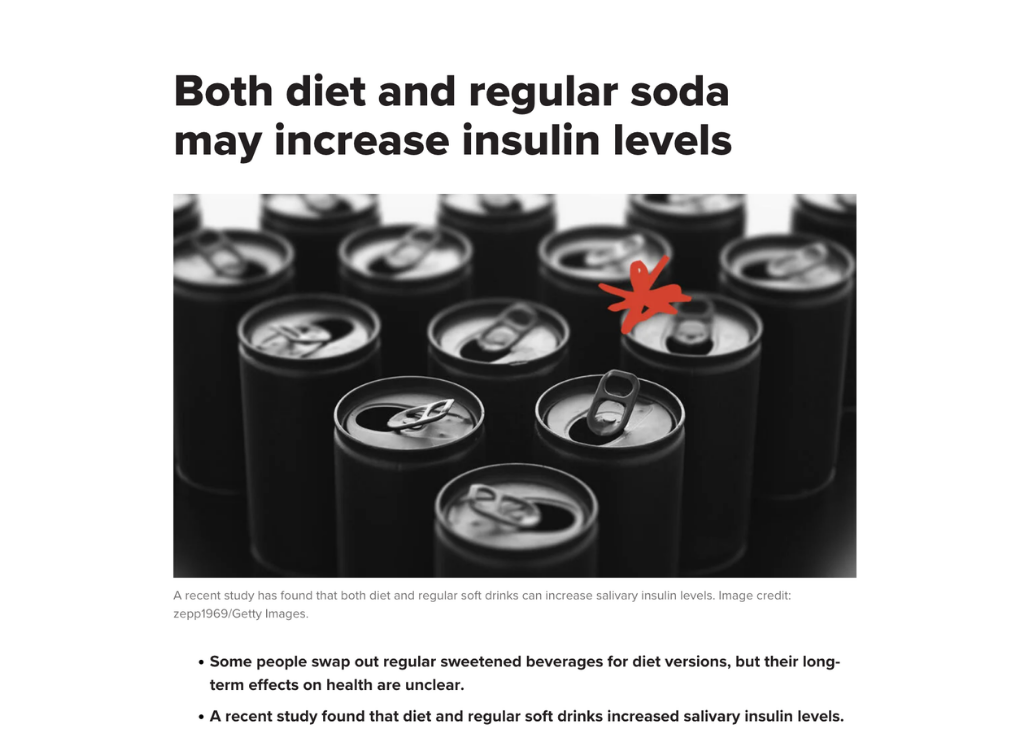
This article highlights that both sugar-sweetened and artificially sweetened sodas can elevate insulin levels, potentially increasing the risk of insulin resistance and metabolic disease. It challenges the perception that diet soda is a safe alternative, emphasizing the metabolic consequences of both beverage types.
– Regular consumption of sugary sodas is associated with spikes in blood glucose and insulin levels.
– Artificially sweetened sodas, despite lacking sugar, may still provoke insulin responses due to sweet taste receptors and gut hormone signaling.
– Repeated insulin elevation, even in the absence of glucose, can promote insulin resistance over time.
– Elevated insulin levels are linked to weight gain, increased fat storage, and impaired fat oxidation.
– Some artificial sweeteners may disrupt gut microbiota, contributing to glucose intolerance and inflammation.
– In studies, individuals who drank diet sodas showed elevated insulin and altered glucose responses, despite no sugar content.
– Both diet and regular soda consumption have been linked to higher risk of type 2 diabetes in population studies.
– Artificial sweeteners may affect brain reward pathways, potentially increasing cravings for sweet or calorie-dense foods.
– Chronic intake of sweetened beverages—diet or regular—may desensitize the body’s natural hunger and satiety signals.
– Non-nutritive sweeteners may interfere with the body’s ability to associate sweetness with caloric intake, impairing metabolic regulation.
– Consumption of these beverages has also been associated with increased visceral fat accumulation.
– Regular use of sweetened beverages, regardless of caloric content, is a marker for poor dietary patterns and metabolic risk.
– Replacing both types of sodas with water, unsweetened teas, or mineral-rich alternatives may support healthier insulin dynamics.
– Reducing sweet taste exposure overall may help restore more balanced appetite regulation and metabolic function.
– Beverage choices significantly impact glycemic control and long-term metabolic health, even in the absence of sugar.
The article aligns with the Opti Metabolics principle that managing insulin levels—not just blood glucose—is critical to preventing metabolic disease. Both sugar-sweetened and artificially sweetened drinks can impair metabolic regulation, emphasizing the need to minimize all hyper-palatable, sweetened beverage exposures.
– Insulin resistance can be exacerbated not only by sugar but also by insulin-stimulating responses to artificial sweeteners.
– Omega-6-rich seed oils and high glycemic load foods contribute to the same inflammatory and hormonal dysregulation patterns.
– Opti Metabolics emphasizes low-carbohydrate, nutrient-dense, and anti-inflammatory choices that avoid both sugar and synthetic additives to optimize metabolic resilience.
Reviewed and interpreted by the Opti Metabolics editorial team, with a focus on early metabolic risk detection and prevention.
Read the article to learn more: Both Diet and Regular Soda May Increase Insulin Levels
Opti Metabolics does not provide medical diagnosis, treatment, or advice. Our program is for educational and informational purposes only and does not represent medical advice or the practice of medicine. These article summaries are intended to help readers understand metabolic health research and emerging scientific findings, but personal health decisions should always be made in consultation with a qualified healthcare provider.
Participants are strongly advised to consult their personal healthcare professional before making any dietary, lifestyle, or medication changes.
Email: info@optimetabolics.com
Your results suggest early signs of metabolic dysfunction are emerging beneath the surface.
While you may feel healthy today, several biomarkers indicate increasing risk for insulin resistance, cardiovascular disease, and other chronic conditions if these patterns continue to progress.
The encouraging news is that these findings were identified before disease developed, creating an opportunity to improve your long-term health trajectory through targeted interventions.
No
Risk
Low
Risk
Medium Risk
High Risk
Higher Risk
Higher numbers indicate more biomarkers in each risk category.
We look upstream to identify and address the root drivers of chronic disease long before symptoms appear.
Excess insulin and poor cellular response drive metabolic dycfuntion and fat storage.
Imbalance between free radicals and your body's antioxidant defenses.
Chronic, low grade inflamation damages tissues and disrupts normal function.
Elevated cortisol and other stress hormones amplify the damaga and impair recovery.
Inherited factors can increase succeptbility and influence how your body responds.
Over time, these drivers create the foundation for chronic disease to take root.