Email: success@optimetabolics.com
This article is part of Opti Metabolics’ ongoing effort to translate complex metabolic research into clear, practical insights for readers without formal scientific or medical training.
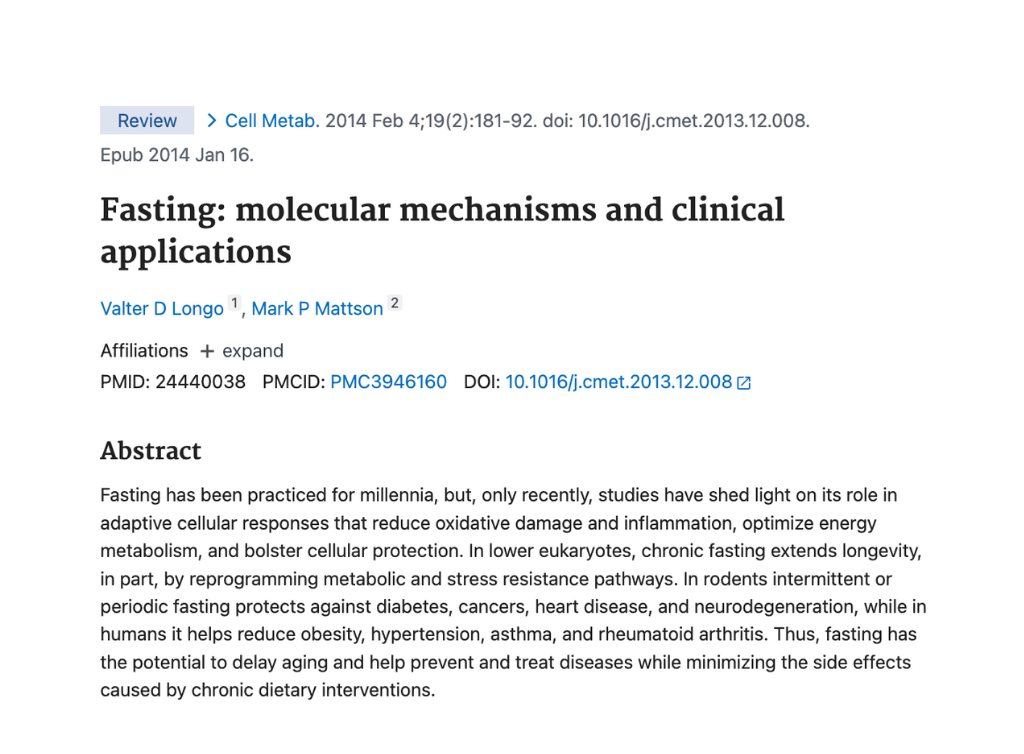
This article reviews the molecular pathways through which fasting exerts beneficial effects on metabolism, cellular health, and disease prevention. Fasting improves insulin sensitivity, reduces inflammation, and enhances metabolic flexibility, which can mitigate chronic diseases linked to poor metabolic health, especially when combined with dietary strategies that limit excessive carbohydrate intake and inflammatory omega-6 seed oils.
– Fasting activates cellular stress response pathways that promote metabolic health and longevity.
– It improves insulin sensitivity by reducing circulating insulin and glucose levels.
– Fasting enhances autophagy, supporting cellular repair and reducing oxidative stress.
– It modulates key signaling pathways such as mTOR, AMPK, and sirtuins involved in energy metabolism.
– Fasting reduces chronic inflammation, a root cause of many metabolic diseases.
– It promotes ketogenesis, providing an alternative energy source that improves metabolic flexibility.
– Intermittent fasting and time-restricted feeding align circadian rhythms, optimizing metabolic function.
– Fasting reduces adiposity and improves body composition by mobilizing fat stores.
– It decreases levels of IGF-1, which is linked to reduced risk of cancer and age-related diseases.
– Fasting lowers markers of oxidative stress, supporting mitochondrial health.
– It decreases triglycerides and improves lipid profiles beneficially.
– Fasting can complement low-carbohydrate or ketogenic diets in managing insulin resistance.
– The reduction of omega-6-rich processed foods during fasting periods helps lower inflammatory stress.
– Clinical applications include improved outcomes in diabetes, cardiovascular disease, and neurodegenerative disorders.
– Fasting protocols must be individualized to maximize benefits and minimize risks.
This article supports the Opti Metabolics framework by emphasizing how metabolic improvements from fasting stem from reduced insulin resistance and inflammation. By promoting ketogenesis and lowering oxidative and inflammatory stresses, fasting complements low-carb dietary approaches to optimize metabolic health and prevent chronic disease.
– Reinforces insulin resistance as a central factor in chronic disease development and the role of dietary management in its reversal.
– Highlights the importance of reducing inflammatory omega-6 seed oils as part of metabolic stress mitigation.
– Supports metabolic flexibility and natural, well-formulated interventions for sustained health benefits.
Reviewed and interpreted by the Opti Metabolics editorial team, with a focus on early metabolic risk detection and prevention.
Read the article to learn more: Fasting: Molecular Mechanisms and Clinical Applications
Opti Metabolics does not provide medical diagnosis, treatment, or advice. Our program is for educational and informational purposes only and does not represent medical advice or the practice of medicine. These article summaries are intended to help readers understand metabolic health research and emerging scientific findings, but personal health decisions should always be made in consultation with a qualified healthcare provider.
Participants are strongly advised to consult their personal healthcare professional before making any dietary, lifestyle, or medication changes.
Email: info@optimetabolics.com
It’s time to take control of your health.