Email: success@optimetabolics.com
This article is part of Opti Metabolics’ ongoing effort to translate complex metabolic research into clear, practical insights for readers without formal scientific or medical training.
This article highlights insulin resistance as a fundamental driver of chronic metabolic dysfunction, emphasizing its role in disrupting glucose homeostasis and energy metabolism. It underscores the influence of excessive carbohydrate intake and pro-inflammatory omega-6 seed oils in exacerbating insulin resistance, which contributes to a wide spectrum of chronic diseases. Strategic interventions involving low-carbohydrate or ketogenic diets and natural, well-formulated supplements can effectively mitigate these metabolic disturbances.
– Insulin resistance impairs the body’s ability to regulate blood sugar and energy, leading to metabolic syndrome and related chronic conditions.
– Excessive consumption of carbohydrates is a primary factor in the development of insulin resistance.
– Omega-6-rich seed oils promote inflammation and metabolic stress, worsening insulin resistance and disease progression.
– Chronic inflammation driven by dietary patterns and metabolic dysfunction is central to many diseases, including cardiovascular and liver diseases.
– Reducing carbohydrate intake improves insulin sensitivity and supports metabolic flexibility.
– Ketogenic diets have shown promise in restoring insulin responsiveness and reducing systemic inflammation.
– Natural ingredients that support mitochondrial function and reduce oxidative stress complement dietary interventions.
– Lifestyle factors such as physical activity and stress management play a critical role in reversing insulin resistance.
– Early identification of insulin resistance markers can guide personalized metabolic interventions.
– Sustained metabolic health requires a multifaceted approach addressing diet quality, nutrient balance, and inflammation.
– Insulin resistance underlies progression toward type 2 diabetes, non-alcoholic fatty liver disease, and cardiovascular complications.
– Optimizing omega-3 to omega-6 ratios can reduce inflammatory signaling and improve metabolic outcomes.
– Avoidance of processed carbohydrates and seed oils is essential in reducing metabolic stress.
– Improving metabolic health can reduce risk factors linked to chronic inflammatory and oxidative stress pathways.
This article aligns with the Opti Metabolics framework by reinforcing the centrality of insulin resistance in metabolic dysfunction and the importance of low-carbohydrate, anti-inflammatory dietary strategies. It highlights how natural compounds and lifestyle modifications synergistically restore metabolic balance, reduce inflammation, and improve overall health, reflecting the principles taught in The Purple Zone regarding metabolic optimization.
– Insulin resistance as a core mechanism in chronic metabolic and inflammatory diseases.
– The detrimental impact of high carbohydrate intake and omega-6 seed oils on metabolic health.
– The efficacy of ketogenic and low-carbohydrate nutritional approaches in reversing insulin resistance and reducing chronic disease risk.
Reviewed and interpreted by the Opti Metabolics editorial team, with a focus on early metabolic risk detection and prevention.
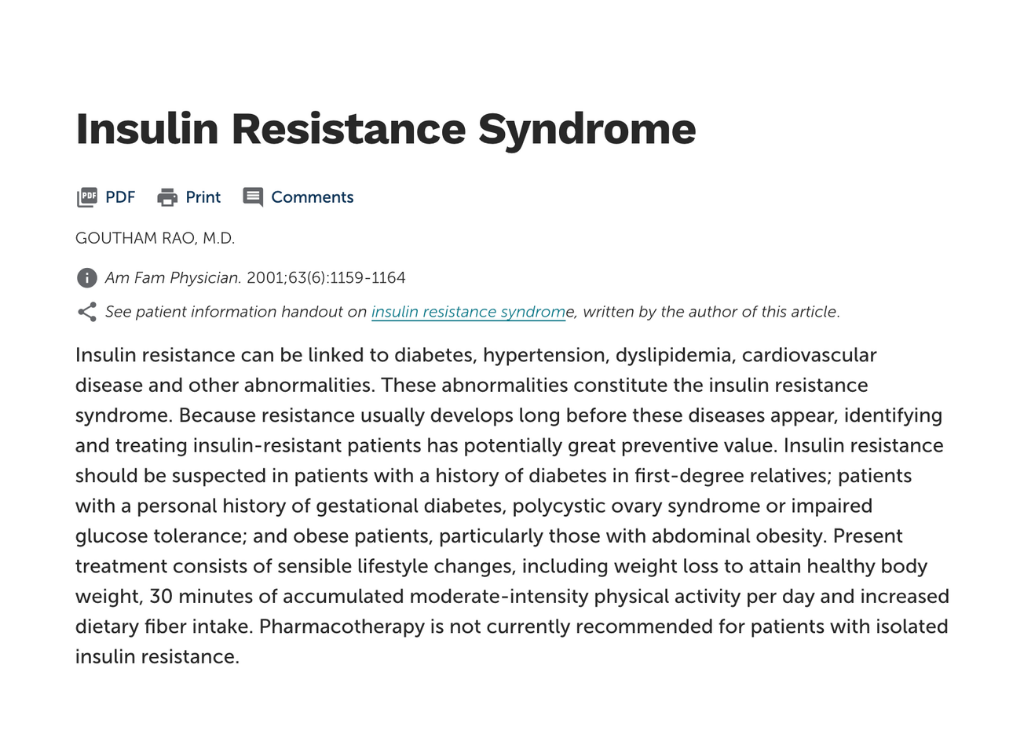
Read the article to learn more: Insulin Resistance Syndrome
Opti Metabolics does not provide medical diagnosis, treatment, or advice. Our program is for educational and informational purposes only and does not represent medical advice or the practice of medicine. These article summaries are intended to help readers understand metabolic health research and emerging scientific findings, but personal health decisions should always be made in consultation with a qualified healthcare provider.
Participants are strongly advised to consult their personal healthcare professional before making any dietary, lifestyle, or medication changes.
Email: info@optimetabolics.com
It’s time to take control of your health.