Email: success@optimetabolics.com
This article is part of Opti Metabolics’ ongoing effort to translate complex metabolic research into clear, practical insights for readers without formal scientific or medical training.
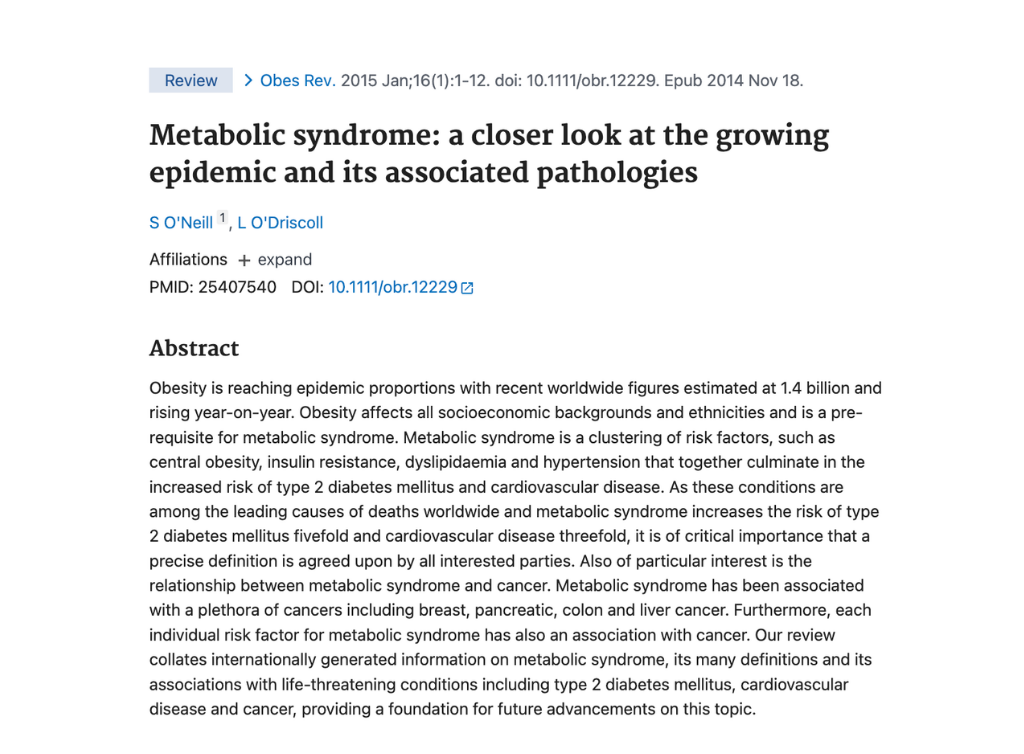
This article provides a comprehensive overview of metabolic syndrome (MetS), highlighting its accelerating global prevalence and its strong association with obesity, insulin resistance, chronic inflammation, and multiple comorbidities including cardiovascular disease and type 2 diabetes. The authors stress that early recognition of metabolic dysfunction and lifestyle-driven interventions are essential to reversing the growing burden of MetS and its pathologies.
– Metabolic syndrome is a cluster of conditions—including abdominal obesity, dyslipidemia, hypertension, insulin resistance, and elevated fasting glucose—that together increase the risk for cardiovascular disease and diabetes.
– The worldwide prevalence of MetS is rising in parallel with increasing rates of obesity and sedentary lifestyles.
– Central (visceral) obesity plays a pivotal role in the development of metabolic syndrome by promoting inflammation and insulin resistance.
– Insulin resistance is identified as a central pathological feature in MetS, contributing to poor glucose uptake and chronic hyperinsulinemia.
– Proinflammatory cytokines secreted by adipose tissue (especially visceral fat) contribute to endothelial dysfunction, atherosclerosis, and systemic inflammation.
– MetS significantly increases the risk for developing type 2 diabetes and is associated with early signs of cardiovascular disease—even in individuals who are not yet diabetic.
– Non-alcoholic fatty liver disease (NAFLD) is a common hepatic manifestation of MetS, linked to insulin resistance and excessive dietary carbohydrate intake.
– The syndrome is also associated with other conditions such as polycystic ovary syndrome (PCOS), obstructive sleep apnea, and certain cancers.
– Elevated triglycerides, low HDL cholesterol, and small dense LDL particles are commonly observed lipid abnormalities in MetS.
– Oxidative stress and chronic low-grade inflammation further exacerbate metabolic dysfunction and contribute to endothelial injury.
– The authors highlight lifestyle intervention—particularly dietary changes and physical activity—as the cornerstone of treatment.
– Weight loss and improvements in insulin sensitivity are the most effective strategies for reversing MetS.
– Pharmacological treatments may be used for individual components (e.g., hypertension or dyslipidemia), but do not address the root metabolic dysfunction.
– There is a strong need for public health efforts that emphasize prevention and education to reduce the future burden of MetS-related diseases.
– Early screening and intervention are especially important given the asymptomatic nature of early-stage MetS.
This article reinforces the Opti Metabolics emphasis on addressing metabolic syndrome as a systemic issue rooted in insulin resistance and chronic inflammation. The link between visceral adiposity, inflammatory signaling, and cardiometabolic disease supports the use of low-carbohydrate, nutrient-dense diets and lifestyle interventions to restore metabolic balance.
– Supports the concept that metabolic dysfunction precedes overt chronic disease and must be addressed at the root level.
– Underscores the importance of insulin regulation and reducing carbohydrate load to improve glucose and lipid markers.
– Aligns with the view that omega-6-rich seed oils and processed foods contribute to inflammatory stress, worsening insulin resistance and disease progression.
Reviewed and interpreted by the Opti Metabolics editorial team, with a focus on early metabolic risk detection and prevention.
Read the article to learn more: Metabolic Syndrome: A Closer Look at the Growing Epidemic and its Associated Pathologies
Opti Metabolics does not provide medical diagnosis, treatment, or advice. Our program is for educational and informational purposes only and does not represent medical advice or the practice of medicine. These article summaries are intended to help readers understand metabolic health research and emerging scientific findings, but personal health decisions should always be made in consultation with a qualified healthcare provider.
Participants are strongly advised to consult their personal healthcare professional before making any dietary, lifestyle, or medication changes.
Email: info@optimetabolics.com
Your results suggest early signs of metabolic dysfunction are emerging beneath the surface.
While you may feel healthy today, several biomarkers indicate increasing risk for insulin resistance, cardiovascular disease, and other chronic conditions if these patterns continue to progress.
The encouraging news is that these findings were identified before disease developed, creating an opportunity to improve your long-term health trajectory through targeted interventions.
No
Risk
Low
Risk
Medium Risk
High Risk
Higher Risk
Higher numbers indicate more biomarkers in each risk category.
We look upstream to identify and address the root drivers of chronic disease long before symptoms appear.
Excess insulin and poor cellular response drive metabolic dycfuntion and fat storage.
Imbalance between free radicals and your body's antioxidant defenses.
Chronic, low grade inflamation damages tissues and disrupts normal function.
Elevated cortisol and other stress hormones amplify the damaga and impair recovery.
Inherited factors can increase succeptbility and influence how your body responds.
Over time, these drivers create the foundation for chronic disease to take root.