Email: success@optimetabolics.com
This article is part of Opti Metabolics’ ongoing effort to translate complex metabolic research into clear, practical insights for readers without formal scientific or medical training.
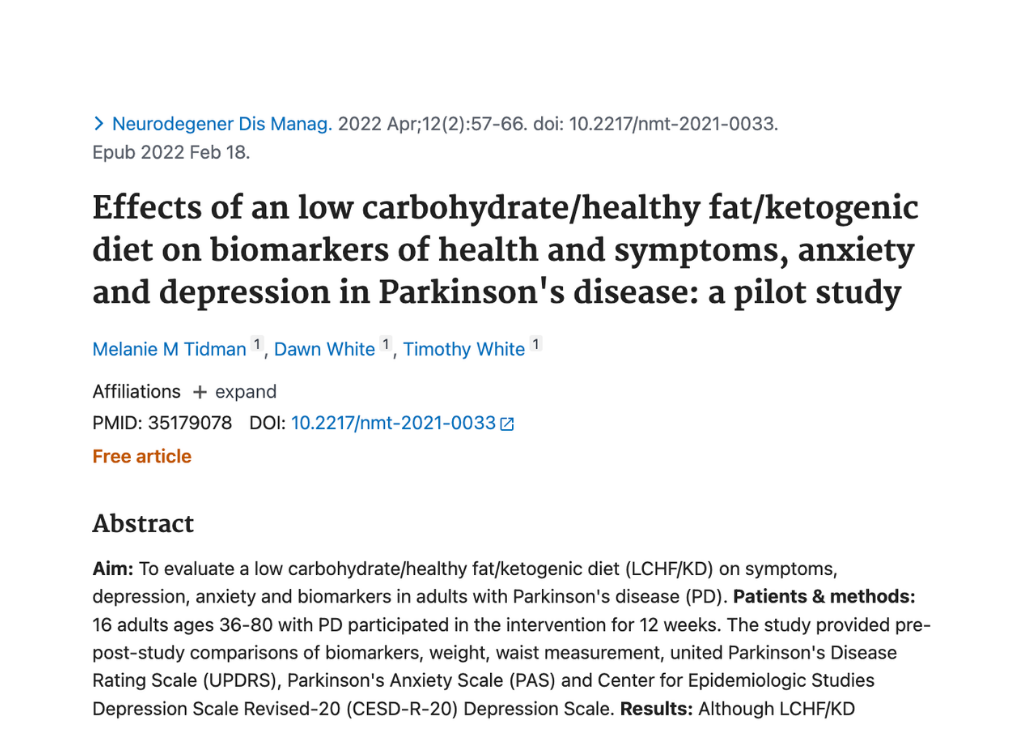
This pilot study evaluates the impact of a low carbohydrate, healthy fat, ketogenic diet on metabolic biomarkers and neuropsychiatric symptoms in individuals with Parkinson’s disease. The findings suggest that dietary carbohydrate restriction and increased fat intake can improve metabolic health, reduce inflammation, and alleviate symptoms of anxiety and depression in this population, highlighting potential therapeutic benefits for neurodegenerative disease management.
– A ketogenic diet led to significant reductions in fasting glucose and insulin levels, indicating improved insulin sensitivity.
– Participants showed decreases in inflammatory markers such as C-reactive protein (CRP) and interleukin-6 (IL-6).
– Anxiety and depression symptoms were reduced following the dietary intervention.
– The diet improved lipid profiles by increasing HDL cholesterol and decreasing triglycerides.
– There was a reduction in omega-6 to omega-3 fatty acid ratios, which may lower pro-inflammatory signaling.
– Biomarkers associated with oxidative stress showed favorable changes.
– Improved metabolic control correlated with better motor and non-motor symptom management.
– Participants reported improved quality of life and energy levels.
– Dietary adherence was facilitated by focusing on natural, whole foods and minimizing processed seed oils.
– The ketogenic diet supported mitochondrial function, critical for neuroprotection.
– Insulin resistance, a common feature in Parkinson’s disease, was effectively addressed by lowering carbohydrate intake.
– This nutritional approach reduced metabolic stress, aligning with strategies to mitigate chronic inflammation.
– The pilot study supports the feasibility and safety of ketogenic diets in Parkinson’s patients.
– Personalized dietary strategies may optimize long-term metabolic and neurological outcomes.
– Further research is warranted to confirm findings and explore mechanistic pathways.
This article supports the Opti Metabolics framework by demonstrating how reducing carbohydrate intake and increasing healthy fats can restore metabolic balance, improve insulin sensitivity, and reduce inflammation—key factors in managing Parkinson’s disease and other chronic conditions driven by metabolic dysfunction. The emphasis on natural, low-processed foods complements the Purple Zone philosophy of mitigating oxidative and inflammatory stresses through nutrition.
– Reinforces insulin resistance as a central contributor to chronic neurodegenerative disease pathology.
– Highlights the therapeutic potential of ketogenic and low-carbohydrate diets in improving systemic metabolic health.
– Illustrates the importance of addressing omega-6 fatty acid excess and inflammation through diet.
Reviewed and interpreted by the Opti Metabolics editorial team, with a focus on early metabolic risk detection and prevention.
Read the article to learn more: Effects of a Low Carbohydrate/Healthy Fat/Ketogenic Diet on Biomarkers of Health and Symptoms, Anxiety and Depression in Parkinson’s Disease: A Pilot Study
Opti Metabolics does not provide medical diagnosis, treatment, or advice. Our program is for educational and informational purposes only and does not represent medical advice or the practice of medicine. These article summaries are intended to help readers understand metabolic health research and emerging scientific findings, but personal health decisions should always be made in consultation with a qualified healthcare provider.
Participants are strongly advised to consult their personal healthcare professional before making any dietary, lifestyle, or medication changes.
Email: info@optimetabolics.com
Your results suggest early signs of metabolic dysfunction are emerging beneath the surface.
While you may feel healthy today, several biomarkers indicate increasing risk for insulin resistance, cardiovascular disease, and other chronic conditions if these patterns continue to progress.
The encouraging news is that these findings were identified before disease developed, creating an opportunity to improve your long-term health trajectory through targeted interventions.
No
Risk
Low
Risk
Medium Risk
High Risk
Higher Risk
Higher numbers indicate more biomarkers in each risk category.
We look upstream to identify and address the root drivers of chronic disease long before symptoms appear.
Excess insulin and poor cellular response drive metabolic dycfuntion and fat storage.
Imbalance between free radicals and your body's antioxidant defenses.
Chronic, low grade inflamation damages tissues and disrupts normal function.
Elevated cortisol and other stress hormones amplify the damaga and impair recovery.
Inherited factors can increase succeptbility and influence how your body responds.
Over time, these drivers create the foundation for chronic disease to take root.