Email: success@optimetabolics.com
This article is part of Opti Metabolics’ ongoing effort to translate complex metabolic research into clear, practical insights for readers without formal scientific or medical training.
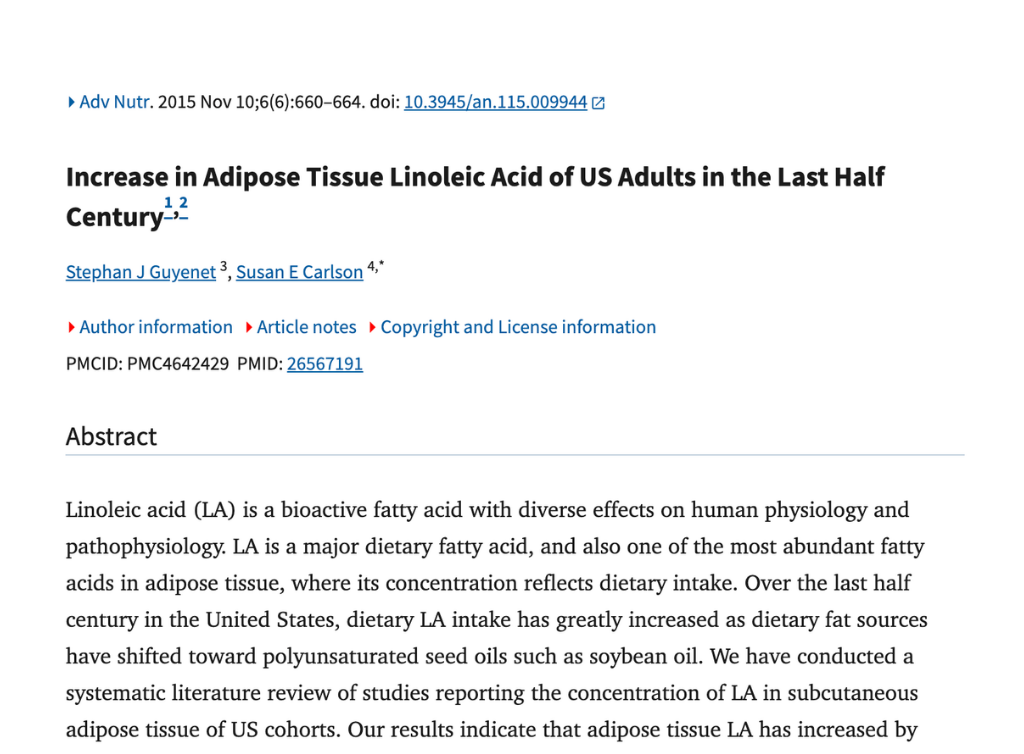
This article highlights the significant rise in linoleic acid (LA), the primary omega-6 fatty acid, within human adipose tissue in the U.S. over the past 50 years, driven by increased dietary intake of seed oils. This biochemical shift reflects the population-wide adoption of high-LA diets, which are associated with increased inflammation, oxidative stress, and metabolic dysfunction, particularly insulin resistance and obesity.
– Linoleic acid levels in human adipose tissue have increased by over 136% in U.S. adults since the 1950s.
– This rise correlates strongly with the increased use of soybean oil and other industrial seed oils in the American food supply.
– Adipose tissue LA content serves as a reliable biomarker of long-term dietary intake of omega-6 fatty acids.
– The percent of LA in adipose tissue rose from about 7% in 1959 to over 16% by 2008.
– This increase mirrors the timeline of dramatic rises in obesity, type 2 diabetes, and metabolic syndrome in the U.S. population.
– LA is highly susceptible to oxidation, producing toxic metabolites (e.g., OXLAMs) that promote inflammation and mitochondrial dysfunction.
– The accumulation of LA in body fat alters lipid signaling and may impair metabolic flexibility and energy regulation.
– Increased LA storage may predispose individuals to insulin resistance by disrupting normal adipocyte function and promoting chronic low-grade inflammation.
– The study challenges the assumption that all polyunsaturated fats are beneficial, highlighting the need to distinguish between omega-3 and omega-6 effects.
– Linoleic acid remains in adipose tissue for years, meaning dietary changes can have long-term metabolic consequences.
– Historical shifts in dietary fats were not based on long-term metabolic research but were influenced by industrial and policy factors.
– High-LA diets may contribute to the oxidative stress that underlies many chronic diseases, including cardiovascular and neurodegenerative conditions.
– The trend is consistent with findings that modern Western diets are pro-inflammatory due to excessive omega-6 intake.
– Reducing seed oil consumption could lower tissue LA levels over time, helping reverse metabolic stress.
– The study underscores the urgent need for clearer nutritional guidelines around omega-6 fatty acid consumption.
This study directly supports the Opti Metabolics emphasis on limiting omega-6-rich seed oils to reduce inflammation, restore metabolic balance, and improve insulin sensitivity. The rise in stored linoleic acid within fat tissue reflects a long-term dietary burden that contributes to widespread metabolic dysfunction.
– Chronic inflammatory stresses driven by high omega-6 intake contribute to insulin resistance and mitochondrial dysfunction.
– The biochemical evidence from adipose tissue supports the role of diet—not just genetics—in driving modern metabolic diseases.
– Replacing seed oils with nutrient-dense, anti-inflammatory fats is critical for long-term metabolic restoration.
Reviewed and interpreted by the Opti Metabolics editorial team, with a focus on early metabolic risk detection and prevention.
Read the article to learn more: Increase in Adipose Tissue Linoleic Acid of US Adults in the Last Half Century
Opti Metabolics does not provide medical diagnosis, treatment, or advice. Our program is for educational and informational purposes only and does not represent medical advice or the practice of medicine. These article summaries are intended to help readers understand metabolic health research and emerging scientific findings, but personal health decisions should always be made in consultation with a qualified healthcare provider.
Participants are strongly advised to consult their personal healthcare professional before making any dietary, lifestyle, or medication changes.
Email: info@optimetabolics.com
It’s time to take control of your health.